
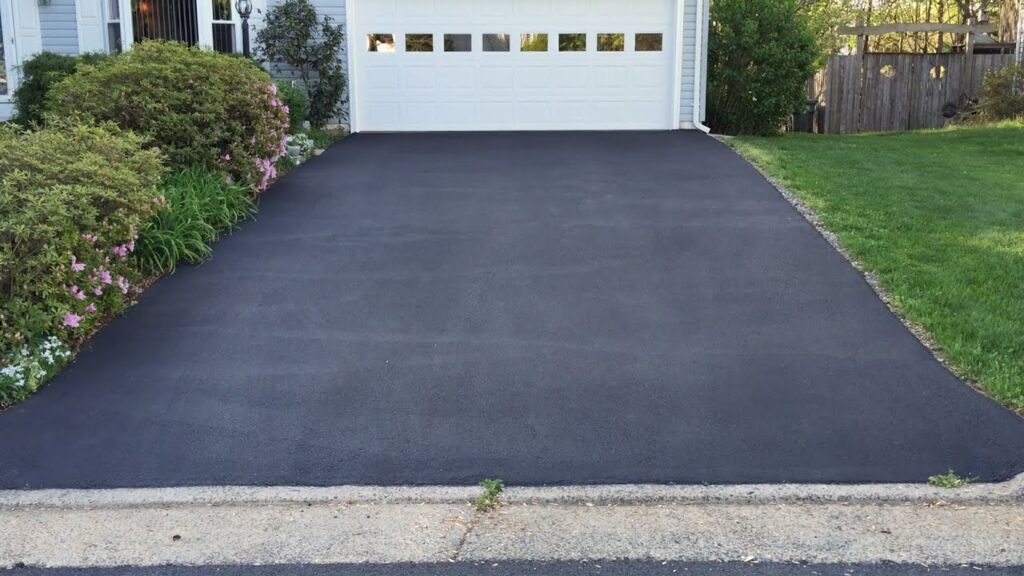
How much does it cost to pave an asphalt driveway? is a common question about planning a driveway project for people who live in cities and manage properties. Asphalt is a popular driveway material because it lasts a long time, is cheap, and is easy to install. The new asphalt driveway paving cost in 2026 will be between $5 and $12 or more per square foot. This includes the cost of materials and the work of a pro.
There are many things that can make the actual cost go up or down. These are things like the size of the driveway, the cost of labor and materials in the area, site preparation, and grading or demolition down the old building. The price could be anywhere from $3 to $15 per square foot, depending on where it is and how hard it is.
Urban projects may have more challenges, such as limited access, traffic control, and permission. Each can affect the pricing. Understanding these costs early in the design process helps builders and homeowners budget and compare contractor offers.
The cost to replace asphalt driveways in congested urban areas depends on removal, disposal, and site constraints.
What Affects Asphalt Driveway Paving Costs in Urban Areas?
Knowing what elements determine asphalt driveway paving costs helps homeowners budget. Due to site characteristics, legislation, and market changes, city pricing variables differ from rural and suburban pricing considerations.
Driveway Size and Thickness
- Size: Building larger driveways requires more materials and labor. Due to economies of scale, larger tasks may cost less per square foot.
- Thickness: Home asphalt walks are 2–3 inches thick. Thicker asphalt layers for heavier loads or business access cost more since they require more material and time.
Labor and Accessibility
- Labor: It is usually more expensive to hire people in the city than in the country because of local pay levels and the need for contractors.
- Site access: Narrow streets and limited staging area in cities hinder production and increase labor and equipment handling time, rising costs.
Site Preparation
A long-lasting road depends on proper base preparation. This includes digging, leveling, setting up drains, and sometimes tearing down old pavement. Uneven or soft ground can make the project a lot more expensive.
Materials and Market Factors
The prices of materials can change depending on the area and when the cost of oil, shipping, and supplies change. Premium asphalt or specialty mixes also raise the cost.
Permits and Local Regulations
Building licenses, inspections, and local zoning may be required for urban developments. These restrictions can delay and cost projects.
Average Cost of Asphalt Driveway Paving in Urban Areas
Urban asphalt driveway paving costs help budget planning and contractor comparison. National pricing guides estimate asphalt road installation at $5–$15 per square foot in 2025. Costs include supplies and labor. Local market conditions, accessibility, and project needs determine this range.
Typical Cost Ranges
- Standard residential driveways: Around $5 to $12 per square foot, which includes normal site prep, average asphalt paving, and standard width.
- Premium or complex installations: Some city projects that use deeper pavement or special asphalt mixes or that are hard to get to can cost over $12 to $15 per square foot.
- Budget variations: Some cost guides show lower amounts (for example, $3 to $8 per square foot) for simpler home paving or basic work on the foundation. However, these usually mean little preparation.
Examples by Property Type
- Small residential driveway: A normal single-car driveway might be at the lower end of the range because it is smaller and easier to get to.
- Multi-unit or commercial drives: bigger projects in cities may work better with scale, but they may also cost more because of the work that needs to be done on the site and the rules that need to be followed.
Property owners comparing the cost to replace driveway with asphalt versus resurfacing often find replacement more expensive due to demolition and base reconstruction.
These figures are estimates because city, labor rates, materials availability, and permitting procedures vary greatly.
Cost Breakdown: Where Does the Money Go?
When estimating how much it will cost to pave an asphalt driveway, it helps to know how the total cost is broken down into parts. Knowing where the money goes helps explain why certain projects add more to the total cost than others and why project prices vary.
Materials
- Asphalt mix: The main ingredient is hot-mix asphalt, which is made of stone, sand, and bitumen. It usually costs about $100 to $200 per ton for asphalt products. One ton, at a depth of 4 inches, covers about 40 square feet.
- Base materials: A lot of the time, gravel or crushed stone has to be put under the tarmac to make it stronger and more stable. This raises the cost of materials.
Labor & Equipment
- Labor: The total cost is usually about half skilled crew labor, but rates vary a lot based on project difficulty and market demand.
- Equipment: Moving heavy machines like pavers, rollers, and crushers on and off of urban job sites adds to the cost.
Site Preparation & Grading
Preparing the spot includes leveling, grading, and compacting the soil to make a stable sub-base. Poor soil or poor grading can make a big difference in the amount of work and materials that are needed.
Demolition of Existing Pavement
It costs more to remove old areas before paving. This can include hauling away trash and disposal fees, which depend on the size of the project.
Drainage Considerations
Urban roads often need to be able to drain properly with things like trenches or channels so that water does not pool. This helps the driveway last longer, but it also makes it more expensive.
Permitting & Inspections
Many cities require licenses, inspections, or adherence to local rules. These can add both time and money to the process.
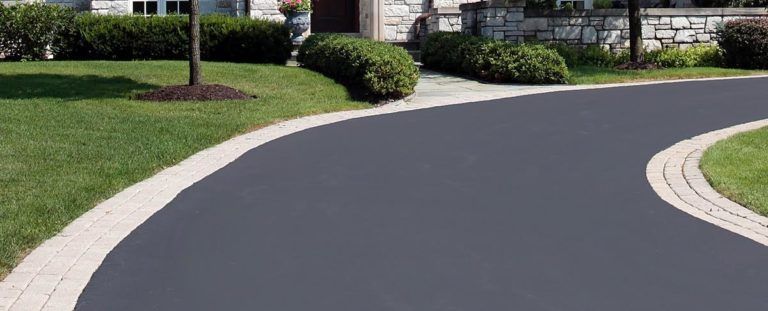
Urban vs Suburban Asphalt Driveway Costs: What’s the Difference?
When looking at the prices of paving asphalt driveways in the city and the suburbs, there are some important differences that affect the price. Because of market dynamics and site conditions that are less common outside cities, urban projects often cost more total.
Labor Rates
- The total cost of paving depends heavily on the price of labor, which tends to be higher in cities because of those areas’ cost of living and the higher demand for skilled workers.
- The slightly lower cost of labor and easier access for crews may help suburban projects.
Accessibility and Site Logistics
- Driveways in the city often have trouble with entry, staging, and narrow streets. This can slow down work and increase the hours worked.
- It is generally easier to get to and store tools on-site in the suburbs.
Permits and Regulations
- It may take more time and money to get more permits and inspections and follow local rules in the city.
- The rules might be easier to follow in suburban places.
Traffic and Safety Management
- To keep things from getting too chaotic, urban projects sometimes need to control traffic, close lanes, or schedule work at certain times. All of these cost extra.
Overall, the asphalt driveway paving costs in the city and the suburbs vary because of the cost of living, the cost of labor, the complexity of the site, and the rules that affect how projects are planned and carried out.
How to Reduce Asphalt Driveway Paving Costs Without Cutting Quality
Lowering the asphalt driveway paving cost does not mean giving up durability or effectiveness. If you plan ahead and make smart choices, you can get great results on your project without spending too much. Paving advice offers numerous cost-saving methods.
Plan Timing Wisely
- Schedule outside peak season: In spring and summer, the demand for asphalt is highest. If you book work in early spring or late fall, you might get better prices and access from contractors.
Prepare the Site in Advance
- Clear and level the area before contractors arrive: Proper site preparation reduces the amount of reducing work that needs to be done on the spot, speeds up installation, and cuts down on labor costs.
- Address minor repairs early: Taking care of minor drainage or soil problems before paving over them saves the need for costly repairs after crews arrive, which can be too late.
Compare Multiple Quotes
- Get several detailed estimates: Looking at bids from different paving contractors helps make sure the prices are fair and gives you an idea of how to save money on installation.
Consider Resurfacing When Appropriate
- Resurfacing instead of full replacement: If the current driveway is in good condition, adding a new layer of asphalt can make it last longer and is cheaper than taking it up and repaving it.
Why Professional Estimating Matters for Asphalt Driveway Projects
An accurate cost estimate is very important for any construction project, even for paving an asphalt driveway. Before starting construction, it gives planners a financial plan to avoid unexpected and budget overruns that can derail even well-planned projects. Without a thorough estimate, projects often go over their budgets because not all costs, like materials, labor, and indirect expenses, are considered beforehand.
Reduces the Risk of Underbudgeting
A professional estimate includes detailed quantity takeoffs and up-to-date market prices for materials and labor. With this level of detail, prices can not be underestimated, and construction can not be short on funds.
Accounts for Material Price Fluctuations
The cost of construction materials can change because of the supply chain, inflation, or changes in the season. These changes have a direct impact on the cost of paving. To keep budgets reasonable, professional estimators keep an eye on these trends and change their estimates when needed.
Avoids Costly Change Orders
Accurate early estimates help find possible problems before building begins. Professional estimators lower the chances of change orders, which can quickly raise the total cost of a project, by expecting changes in scope and work that was not known about before.
Supports Project Teams and Decision-Making
Contractors, owners, architects, and engineers can better plan for the future and understand how much things will cost with detailed cost estimates. This transparency boosts the trust of everyone with a stake in the project and helps decisions be made at every stage of the project.
Conclusion: Building a Solid Foundation with Fusion Estimating:
Challenges of urban asphalt paving include limited access, greater city labor expenses, permits, traffic control, and overruns when volumes or prices vary. These issues often cause unexpected bills, scope creep, and delays.
Before work begins, correct quantities, realistic timelines, well-designed drainage, and current market price are planned to base every decision on numbers. Fusion Estimating provides accurate and updated concrete estimating services to decrease uncertainty and protect your budget. Ready to move confidently? Get construction estimation services from Fusion Estimating immediately to eliminate project guessing.
FAQs: Asphalt Driveway Paving in Urban Areas
Is asphalt cheaper than concrete in cities?
Yes, most of the time. Installing asphalt is usually cheaper than concrete, but concrete might last longer even though it costs more at first.
How long does an asphalt driveway last?
If you install and care for an asphalt driveway correctly, it should last between 15 and 25 years. The weather, how much traffic there is, and how well the driveway drains all affect how long it will last.
Does driveway thickness affect cost?
Of course. More asphalt concrete costs more, but it also makes the road last longer, which is better for heavier cars.
Are urban permits included in paving quotes?
Sometimes. In many cities, contractors have to get permits and have their work checked. It is a good idea to get this in writing because it depends on the contractor whether or not they are included.
How soon can I use a new asphalt driveway?
After 24 to 72 hours, it is usually fine to use it lightly. It can take weeks for full curing to happen, and during this time, you should not use big loads or make sharp turns.