
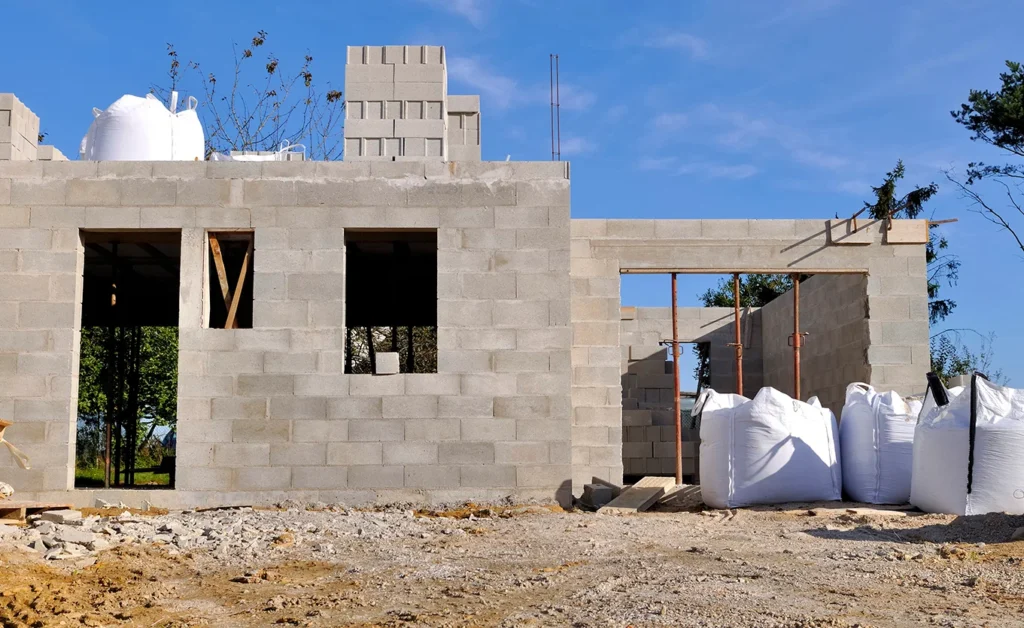
Build a concrete block home yourself to combine high-performance engineering with significant savings. Masonry’s durability and energy efficiency are driving its popularity in 2026, especially for homeowners evaluating the cost to build concrete block house structures versus wood framing. While wood-frame homes are prevalent, Concrete Masonry Units (CMUs) offer a “lifetime home” resistant to fire, termites, and extreme weather, often lowering the long-term cost to build concrete block house projects.
For DIY builders, time is more important than money. You can avoid the 40% to 60% overhead of professional teams by doing the work yourself, which directly reduces the cost to build concrete block house independently. This method demands a rigorous awareness of the “Multiplier Effect”—that a solitary builder will take longer than a professional team.
This project requires careful preparation and a realistic schedule. You can use this guide to calculate the labor hours and materials needed to turn a barren lot into a sturdy, high-equity concrete home. Learning CMU construction fundamentals is like engineering a long-term asset, not just a house, especially when managing the cost to build concrete block house efficiently.
High-Level Estimates: Total Hours & Costs
Quantifying a self-build project requires a clear view of time and capital, construction’s most valuable currency. You must set goals based on 2026 market data and realistic DIY performance rates to keep your project a feasible investment rather than a liability while controlling the cost to build concrete block house projects of any size.
Total Labor Hours by Square Footage
Professional crews have specialized machinery and synchronized workflows, but solo builders must be physically fit and precise. Labor investment estimates for CMU residential construction are directly tied to the cost to build concrete block house calculations:
- 800 sq. ft. Home: Expect a range of 1,800 to 2,400 hours. This scale is ideal for compact builds and small concrete block home plans.
- 1,200 sq. ft. Home: A mid-sized project takes 2,600–3,600 hours and increases the cost to build concrete block house due to structural complexity.
- 2,000 sq. ft. Home: Larger homes require 4,000–6,000+ hours and significantly impact the total cost to build concrete block house when labor assistance is required.
Financial Cost Estimates (2026 Projections)
If you account for raw material inflation, concrete block construction is cost-effective.
- DIY materials Only ($70–$110 per sq. ft.): This is the “raw cost” of your build, including concrete blocks, mortar, rebar, roofing supplies, and basic finishes.
- Turnkey/Contracted ($190–250 per sq. ft.): Labor overhead, insurance, and profit margins make hiring a general contractor pricier nowadays.
- The “Sweat Equity” Advantage: On a 1,500 sq. ft. home, reducing the cost to build concrete block house through self-labor can save over $100,000 in contractor fees.
Phase 1: Pre-Construction & Site Prep (150–300 Hours)
Pre-mortaring the initial concrete block determines a concrete block build’s success. Your project’s administrative and physical foundation, Phase 1, requires a homeowner-to-project manager shift. Today’s regulatory environment requires precision in this step to avoid costly revisions or fundamental failures.
Planning & Permitting (80–120 Hours)
It is complicated to navigate local building codes and structural engineering.
- Regulatory Compliance: Spend time obtaining permissions and verifying drawings to satisfy 2026 local zone regulations.
- Engineering for Durability: Seismic and wind loads demand vertical and horizontal rebar placement in concrete block construction.
- Blueprint Approval: Municipal evaluations and architectural amendments take time, so factor that into blueprint approval.
Site Clearing (40–80 Hours)
Preparing the canvas for your project is laborious and detailed.
- Debris Removal: Cleaning the building envelope of grass, pebbles, and dirt.
- Levelling and Grading: Leveling the earth prevents drainage concerns that could damage a concrete foundation.
- Staking the Footprint: “Staking out” the house proportions to verify the excavation follows the architectural blueprints.
Excavation (30–100 Hours)
The first physical “groundbreaking” is excavation, which prepares your foundation.
- Trenching for Footings: For footings, dig deep, clean trenches according to frost line and technical requirements.
- Resource Management: Choose between manual digging and renting a mini-excavator, which reduces labor time by over 50%.
- Utility Prep: Plumbing and electrical mains entry points are considered during utility prep.
Phase 2: The Foundation (200–400 Hours)
Foundations are the most important part of concrete block structures. Building standards for soil compaction and reinforcement schedules have tightened in 2026. After earthwork, owner-builders enter the high-precision world of structural concrete, where faults are costly to fix.
Footing Installation & Structural Reinforcement
Your home’s “feet” distribute the massive weight of the concrete blocks to the ground.
- Formwork Precision: Even a half-inch deviation at the footing stage will cause major alignment issues at the roofline.
- Reinforcement (Rebar): To maintain structural continuity, tie rebar carefully according to technical specifications, maintaining the required lap length ($L_{req}$).
- Inspections: A municipal inspector must check your steel positioning before pouring concrete at this “stop-point”.
Plumbing and Electrical Rough-in
Make sure all sub-surface infrastructure is permanent before pouring the slab.
- Slab Penetrations: Drainage lines and electrical conduits under the slab determine the layout of your kitchen, bathrooms, and main panels, so plan ahead.
- Pressure Testing: Professionals recommend pressure-testing all plumbing lines before pouring to find leaks under tons of concrete.
The Pour and Finishing
The build’s highest pressure occurs on pour day.
- Logistics Management: You must arrange concrete truck deliveries and have adequate help to “screed” and level wet concrete before it sets.
- Surface Finishing: Polished concrete floors or thin-set tile require a smooth, power-troweled surface.
Curing Logistics
Curing requires little physical effort but is a crucial “cost” to your timetable.
- Hydration Management: Active curing, keeps the slab moist for 7 days, prevents shrinkage cracks in 2026’s climate.
- The 28-Day Standard: After 7 days, you can start laying blocks, but the foundation will not attain its full design strength until 28 days.
Phase 3: The Block Laying (The “Skeleton”) (800–1,500 Hours)
Raising the “skeleton”, the vertical phase of construction, is the most laborious and visually rewarding. In 2026, precision masonry is essential to high-value residential construction, needing regulated production rates and structural reinforcement to last. Understanding realistic production rates is essential when calculating how many hours to build concrete block house yourself, especially without professional masonry crews.
Production Rates: The DIY Reality
Masonry success is consistent output and technical correctness.
- Beginner Benchmarks: A solo builder should lay 30–50 blocks each day while mastering unit leveling and plumbing.
- DIY Efficiency: Production can expand to 100 blocks per day as expertise increases, but it is physically hard.
The Logistics of Masonry
Laying the block is only one aspect; support chores are time-consuming.
- Mortar Mixing: Understanding weather and moisture levels is essential to maintaining mortar consistency.
- The “Master Course”: The initial block course is the most important, taking 20+ hours to complete because every subsequent layer depends on its level and squareness.
Structural Reinforcement and Integration
Modern concrete homes are strong because of masonry and steel.
- Rebar and Grouting: A monolithic, disaster-resistant wall requires precise vertical and horizontal rebar insertion in block cells and concrete grouting.
- Lintels and Headers: Load distribution requires engineered and installed structural supports over every window and door opening.
Phase 4: Roofing & Windows (300–500 Hours)
Securing the structure against the elements follows the masonry “skeleton” finish. This phase is crucial for moving from an outside masonry site to indoor construction. The 2026 building envelope standards emphasize airtightness and moisture control, making “dry-in” vital for owner-builders.
Truss Installation: Setting the “Lid”
Moving from vertical walls to horizontal roofs needs heavy lifting and precise structural alignment.
- Structural Integration: Hurricane ties and bond beam anchor bolts secure the wood or steel “lid” to the concrete block box when installing the roof trusses.
- Safety and Precision: DIY builders often need a crane or other lifting equipment to put trusses over spans.
- Timeline Impact: The physical setup of trusses can happen rapidly, but prep work and bracing take up a lot of time.
Sheathing and Dry-in: Establishing the Weather Barrier
Achieving a “dry-in” certification allows inside work regardless of weather.
- Roof Sheathing: Sheathing the trusses with plywood or OSB decking creates a sturdy base for roofing materials.
- Moisture Protection: High-performance underlayment and flashing waterproof the structure, preventing mold and water damage during construction.
- Operational continuity: After sheathing and felting the roof, you can safely store interior finish supplies.
Window and Door Sealing: The Precision of “Bucking”
Bucking is required to install windows and doors in concrete block buildings.
- Rough Openings: Install pressure-treated wood frames (bucks) into masonry apertures to secure windows and doors.
- Advanced Sealing: 2026 energy codes require careful flashing and caulking around these holes to minimize air intrusion and thermal bridging.
- Securing the Asset: Installing windows and external doors “locks” the house, protecting tools and inside components.
Phase 5: Mechanicals & Interior (600–1,200 Hours)
The proposal focuses on complicated mechanics that change a concrete shell into a living space from hefty structural phases to interior build-out. Adding high-efficiency mechanicals to brick homes in 2026 requires advanced planning to protect thermal and structural integrity. This phase is the biggest “finish” investment for owner-builders.
Electrical & Plumbing Integration (200–400 Hours)
Modern utilities in concrete block walls are harder to integrate than in wood framing.
- Strategic Routing: You can “chase” lines into the masonry or build inside furring walls for conduit and pipes.
- System Complexity: In 2026, smart house technology and high-efficiency heat pumps demand more specialized circuits and data cabling.
- Plumbing Precision: Secure all supply and waste lines for long-term accessibility, especially where they meet the concrete slab and external CMU walls.
Advanced Insulation Systems (100 Hours)
Concrete homes must be well-insulated to use their thermal mass.
- Continuous Barriers: Modern building codes favor thermal bridging-free insulation. Install rigid foam boards on the exterior or high-R spray foam in the internal cavities.
- Vapor Management: In 2026, moisture control is key; your insulation must also act as a vapor barrier to maintain the block’s structure.
Drywall, Finishes, and Aesthetics (200–400 Hours)
The “finish” stage is where your work is most evident, requiring meticulous attention to detail.
- Surface preparation: To avoid visual faults, walls must be plumb when adding drywall to furring strips or plastering directly to the block.
- Painting and Detailing: The final coat of paint and trim establishes the home’s interior character and protects the walls.
Factors That Can Double Your Timeline
In 2026 residential development, scheduling and budget management are crucial. DIY concrete block construction is notoriously vulnerable to external influences. Maintaining a professional build timeline and preventing project fatigue requires understanding the obstacles that might increase labor hours by 100%.
Environmental Impact: Weather Constraints
Masonry schedules prioritize the environment.
- Precipitation Halts: Rain stops masonry work because extra moisture weakens mortar and hinders bonding.
- Temperature Extremes: High temperatures can dry mortar too rapidly in 2026’s varied climate, while freezing climates require expensive heated enclosures to cure concrete without building failure.
Infrastructure and Equipment Efficiency
Your tools multiply your laboring power.
- Manual vs. Automated Mixing: Professional-speed mortar mixing requires high-efficiency electric or gas mixers. Manual mixing can take hundreds of hours.
- Material Handling: Poor site organization that demands manual carriage of heavy CMUs can double course time and physical effort.
Architectural Complexity
Every change from a rectangular footprint requires exponential labor.
Corner Layouts: Each corner in your design requires exact plumbing and squaring, taking 4–8 hours of planning and cutting.
Custom Openings: Non-standard window and door sizes complicate lintel installation and block cutting, limiting vertical development.
Regulatory Gatekeeping: The Inspection Bottleneck
Professional project management requires navigating construction “stop points”.
- Verification delays: You can not grout or pour concrete until a city official approves rebar placement.
- Scheduling Latency: In high-demand areas, waiting for an inspector might delay your project by days or weeks, tripling structural phase time.
Budgeting Checklist for the DIY Builder
Financial accuracy determines success or failure in 2026 residential construction’s complex landscape. Transitioning from visionary to builder involves detailed procurement and risk management. Many owner-builders reduce financial risk by consulting Professional Residential estimating services early in the planning phase to validate material takeoffs and labor assumptions. Use this professional budgeting approach to keep your concrete block project on track.
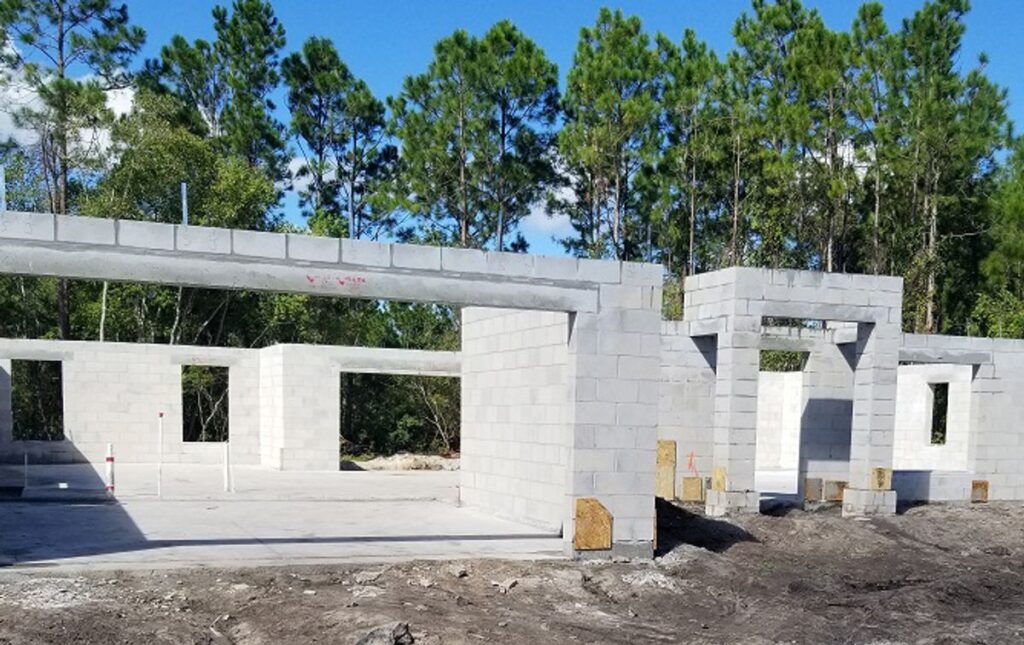
Material Takeoffs: The Core of Your Capital
Your material list accuracy is the most essential factor in managing “soft” expenses.
- Precision Inventory: You must count every standard CMU, corner block, lintel, gravel tonnage, and slab and footer concrete cubic yardage.
- Binding Agents: Measure mortar and grout needs based on structural design surface area and cell-fill criteria.
- Reinforcement Steel: Since steel is volatile in 2026, make sure your rebar quantities include overlap for structural continuity.
Choosing the Best Cost estimating services ensures your quantities align with code requirements and eliminates costly over-ordering.
Tool Rentals and Asset Management
Industrial-grade equipment for DIY construction is sometimes too expensive to buy.
- Elevation Equipment: Consider scaffolding costs for accessing upper courses and properly laying roof trusses.
- Mechanical Assistance: Buy high-output mixers and industrial masonry saws for professional speed and clean cuts.
- Logistics: Delivery and pickup rates vary by fuel surcharge and site accessibility.
The “Mistake” Buffer: Contingency Planning
Even the best-planned DIY project has surprises.
- The 15% Rule: Professionals now add 15% to material and time estimates in this economy.
- Mitigating Risk: This reserve covers material breakage, delivery delays, and the unavoidable learning curve of self-performing complex masonry work.
Don’t Let Miscalculations Stall Your Build: Partner with Fusion Estimating
Self-building a concrete block house requires a million decisions. DIY builders’ biggest mistake is underestimating materials, not labor. Running out of blocks or overordering concrete can cost thousands and delay your project for weeks.
Fusion Estimating specializes in precise material takeoffs and cost estimates for self-builders and contractors. We list every block, bag of mortar, and foot of rebar based on your plans. Know your budget, not make random predictions.
Contact Fusion Estimating immediately to keep your DIY dream house on budget and on time.