Blog

  • How Much Does It Cost to Construct a 5,000 Sq Ft Commercial Building in the U.S.?

    How Much Does It Cost to Construct a 5,000 Sq Ft Commercial Building in the U.S.?

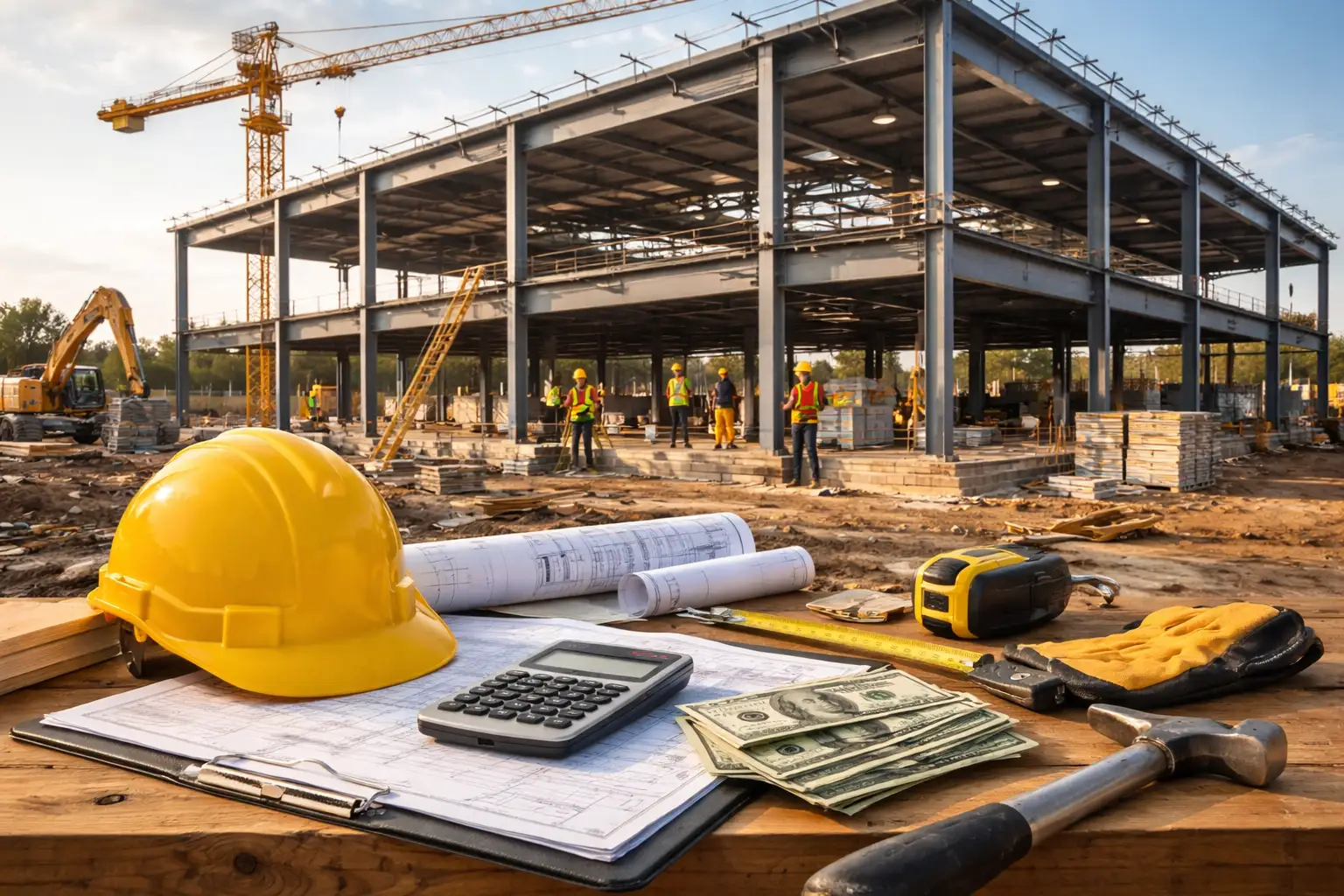
    Business owners, real estate investors, and developers who are planning a new project need to know the cost to construct a 5,000 sq ft commercial building in the United States. The costs of a commercial construction depend on the location, the type of the building and design complexity, including the simple industrial shells, and the luxurious office areas with the specialized finishing. Commercial construction costs usually fall between $240 and $870 per square foot across the country, reflecting commercial construction costs per square foot. This depends on the region and the size of the job.

    By knowing these costs upfront, decision makers can budget, acquire funding, and choose the best design and construction method. This tutorial will explain how much a 5,000-square-foot commercial building might cost and how materials, labor, and location affect the pricing.

    What Determines Commercial Building Costs?

    When making a budget for a 5,000-square-foot project, understanding the cost to construct a 5,000 sq ft commercial building is helpful. There are a lot of different factors that affect how much commercial construction costs in the U.S. The cost per square foot usually falls in a broad range depending on the type of building and where it is located.

    Location & Regional Differences

    Costs depend a lot on where you build. Because land is worth more, rules are stricter, and labor is more expensive, urban and coastal markets tend to be more expensive. A significant portion of the Southwest and the Midwest, where the cost of labor and materials is lower, can be significantly less expensive. If you’re staying in the same state, bigger places like New York tend to be more expensive than the smaller ones.

    Building Type & Complexity

    The building’s use and style are important. Most of the time, medical offices, labs, and multistory office buildings cost more per square foot than a 5000 sqft warehouse or simple industrial shells. Costs go up when there are more complicated structural elements, mechanical and electrical systems, and design elements.

    Materials & Finishes

    Options for materials, from basic steel and concrete to high-end finishes like curtain walls or high-end interior systems, can affect your budget. Price changes in the market for steel, lumber, and concrete also have an effect on costs.

    Labor & Local Regulations

    Costs of labor depend on where you live and how skilled the workers are. In big cities, union labor is especially expensive. It takes more time and costs more money to follow local building rules, safety standards, and permit processes.

    Design, Permits, & Site Conditions

    Total costs include fees for permits, the complexity of the design, the technical needs, the preparation of the site (grading, utilities, and demolition), and the materials needed. There could be a major rise in the cost of the site work caused by problematic soil or environmental issues.

    Typical Commercial Construction Cost per Sq Ft in the U.S.

    To estimate the cost to construct a 5,000 sq ft commercial building, multiply the cost per square foot by the total building size. In the U.S. in 2026, commercial construction prices vary a lot depending on the type of building, how complicated it is, where it is located, and the level of finish.

    It costs between $240 and $870 per square foot to build a commercial building in the United States, but this depends on the size and level of finish. Complex facilities or high-end facilities are placed to the high end and basic structures to the low end.

    Cost by Building Type (Typical U.S. Ranges)

    Building TypeApproximate Cost per Sq Ft (U.S.)
    Basic Office (single‑story)$240 – $440
    Office (mid‑rise)$330 – $870
    High‑rise Office$430 – $1,000+
    Retail/Shopping Center$370 – $580
    Warehouse / Industrial$210 – $800
    Healthcare / Clinic$450 – $1,020
    Community / Public Facilities$430 – $1,270

    What This Means in Real Terms

    • Lower Complexity Buildings: Simple stores and offices with only one story tend to be on the cheaper end of the price range, at around $240 to $440 per square foot.
    • Mid-Range Commercial Space: Standard mid-rise offices and shopping centers usually cost between $330 and $580 per square foot.
    • Specialized or High-End Projects: This cost quickly rises in buildings with complex mechanical systems, medical requirements, and high-end finishes; examples are hospitals, labs, museums, and health facilities that can easily run upwards of more than $1,000 a square foot.

    Why These Ranges Vary

    Costs vary widely for numerous reasons:

    • Structural Complexity: Taller buildings and buildings with a lot of mechanical systems need more engineering, resources, and work.
    • Finish Standards: High-end finishes inside and out make the price per square foot much higher.
    • Location and Labor: Different areas have different labor rates, local rules, and permit requirements, which drives up prices in cities with lots of demand.

    Estimated Cost to Build a 5,000 Sq Ft Commercial Building

    To estimate the cost to construct a 5,000 sq ft commercial building in the U.S., you need to know the range of prices per square foot. The most recent construction cost guides say that the average cost of building a business building in the U.S. is around $560 per square foot, with costs ranging from $240 to $870 per square foot for general buildings.

    Low End Scenario — Basic / Minimal Specifications

    Costs tend to be cheaper for a commercial building that is simple and does its job, like a basic warehouse, shell office, or simple light industrial building. At about $240 per square foot, the cost of a 5,000-square-foot building would be:

    Cost ≈ $1,200,000 (5,000 sq ft × $240 psf).

    This scenario usually has basic structural elements and interior finishes. There may be no custom features, finishes, or electrical or mechanical installations.

    Mid Range Scenario — Standard Office / Retail Build

    An average office building or storefront reflects the retail construction cost range for a commercial job. At a normal price of $400 to $500 per square foot, your 5,000-square-foot building would cost:

    Cost ≈ $2,000,000 – $2,500,000.

    This includes good interior finishes, working HVAC systems, useful electrical and plumbing installs, and obeying basic construction codes without enhancements.

    High End Scenario — Specialized or Premium Build

    Costs per square foot can rise sharply for specialized buildings, increasing the cost to construct a 5,000 sq ft commercial building. With high costs, prices can reach $870 psf or more, close to the national average.

    Cost ≈ $4,000,000 – $5,000,000+ for 5,000 sq ft at $800 – $1,000+ psf.

    This situation includes advanced MEP systems, custom features of the architecture, the high quality of materials, and possibly, the necessity of the multi-story structure requirements.

    Regional Cost Variations

    In the U.S., location is just as important as building type when estimating the cost to construct a 5,000 sq ft commercial building. Costs for commercial construction vary a lot from one area to another because of differences in labor markets, material prices, building codes, and permit fees.

    Why Costs Vary by Region

    • Labor and Wage Levels: Because of high demand and union rates, labor prices tend to be higher in major metro areas and coastal cities.
    • Material Prices: Transportation, tariffs, and regional supply impact steel, concrete, and lumber prices.
    • Permitting & Building Codes: Tougher rules for the environment, earthquakes, or energy use (like in California and New York) cost more time and money.
    • Regional Demand: Due to increasing development demand, less competitive areas charge more.

    General Regional Cost Trends

    • East Coast: New York and Boston are two of the priciest cities in America. Due to labor costs, density, and complex regulations, commercial construction costs tend to exceed the overall American average.
    • West Coast: The cost may vary in places such as Los Angeles, San Francisco, and Seattle due to factors such as coast, earthquakes, and the environment.
    • Midwest: The primary factor that makes business projects cheaper in states such as Illinois, Ohio, and Indiana is that labor and market costs are cheaper compared to projects based on the coast.
    • South: Places like Texas, Georgia, and Florida are often more affordable. The cost of labor and obtaining a permit is also usually lower in the South, although those costs tend to increase in areas that are prospering.

    Cost Breakdown: Hard Costs vs Soft Costs for a 5,000 Sq Ft Commercial Build

    In the U.S., it is important to know how to divide up the total cost of building a 5,000-square-foot commercial building when making a budget. There are two main types of construction costs: hard costs and soft costs. Each type affects different parts of the job and your overall budget in a different way.

    Hard Costs — Direct Building Expenses

    Hard costs are the real, physical expenses that define the industrial building cost per sq ft. These account for 70–80% of commercial project costs.

    Main hard cost components:

    • Materials: Steel, concrete, wood, roofs, finishes, and more.
    • Labor: Wages for builders, electricians, plumbers, freelancers, and other workers.
    • Equipment & Site Work: Such as heavy machinery, temporary buildings, grading, digging, and wiring up utilities.

    Because they depend on materials and work done on-site, these are the basic costs that make your 5,000-square-foot building a real thing. They are also easier to predict and keep track of.

    Soft Costs — Indirect, Essential Expenses

    While not directly related to building, soft costs still affect the cost to construct a 5,000 sq ft commercial building. When it comes to commercial buildings, soft costs usually make up between 20 and 30 percent of the big project cost.

    Common soft cost categories:

    • Architectural & Engineering Fees: Include design, building plans, and technical models.
    • Permits & Inspection Fees: Permission from local government, review of zoning laws, and safety inspections.
    • Project Management & Administrative Costs: These would include costs associated with supervision, planning, and organization.
    • Legal, Accounting & Financing Fees: Just as there are interest rates on any loan, there are the legal fees, insurance, etc.

    These costs usually happen before, during, and even after construction. The costs of financing and insurance are two examples. Planning for “soft costs” early prevents budget overruns and ensures all services and permits are available.

    Typical Cost Distribution (Rule of Thumb)

    Cost CategoryApprox. % of Total Budget
    Hard Costs~70–80 %
    Soft Costs~20–30 %
    Contingency5–10 % (extra for unforeseen issues)

    Most commercial estimates believe labor and material costs dominate the budget, while soft costs are considerable but less yet still necessary for planning, compliance, and financing.

    Cost Saving Strategies for Commercial Construction

    The cost to construct a 5,000 sq ft commercial building is high, but careful planning can reduce expenses. Follow these up-to-date, tried-and-true tips:

    • Value Engineering: Early on, look at the design and materials to find cheaper options that do the same job, reducing costs that are not necessary. Cost consultants or engineers should be involved in the planning process to get the most savings without lowering the quality.
    • Prefabricated & Modular Construction: Built modules and parts away from the construction site can save money on labor, speed up the process, and reduce waste on the site.
    • Competitive Bidding: Ask subcontractors to submit more than one bid so that prices are more fair and you can find the best deal.
    • Early Contractor Involvement: Include your builder in the planning stages to make the best use of time, materials, and procedures.
    • Efficient Materials & Systems: Pick long-lasting, common materials and systems that use less energy to save money in the short and long run.

    Final Thoughts & Recommendations

    Planning the cost to construct a 5,000 sq ft commercial building requires a solid budget from the start. Coordinating cost, schedule, and quality early on helps you make smart choices instead of reacting to surprises later on. For long-term performance, proactive budgeting links these important parts into a single plan, rather than using expensive stop gaps once building starts.

    Working with professionals or commercial estimating services ensures accurate cost figures. Modern estimating tools help compare projects from 5,000 sq ft to a 50 000 square feet building accurately.

    To cover unexpected costs and keep your project on pace, consider contingency funds and evaluate your budget regularly. This rigorous technique lets you trust your budget and track your money while construction.
  • How Much Does It Cost to Build a Skyscraper in 2026?

    How Much Does It Cost to Build a Skyscraper in 2026?

    Building a skyscraper is still one of the biggest and most expensive projects in the construction world in 2026. Skyscrapers require more engineering, materials, labor, and design than smaller projects to safely attain extraordinary heights and meet modern building requirements. Depending upon the size, location and objectives of the design the costs can be easily tailored to few hundred million dollars to several billion dollars.

    Developers, investors, city leaders, and students all need to know how much does skyscraper cost before planning. There are many things that affect the costs of these huge projects, such as the cost of land and the design of the buildings, as well as the costs of materials, labor, and permits. Fusion Estimating, in this blogpost breaks down the main cost factors affecting the cost to build a skyscraper in 2026.

    What Defines a Skyscraper?

    Not just any tall building, a skyscraper is a very tall, continuously livable construction that rises far above its surroundings and needs advanced engineering to support its height. Most modern building standards and agreements say that a skyscraper should be at least 150 meters (492 feet) tall. Most of the time, buildings below this height are just called “high rises” or “tall buildings.”

    Early steel-framed buildings in the late 1800s were about 10 to 20 stories tall. Today, the word “skyscraper” refers to much taller buildings made possible by reinforced concrete, steel frames, and vertical transportation systems like elevators.

    In practice:

    • Tall buildings can be as tall as 50 m, which is more than 14 stories.
    • Most skyscrapers are taller than 150 m
    • “Supertall” refers to buildings taller than 300 m, and “megatall” refers to buildings taller than 600 m.

    Commercial spaces, residences, hotels, and mixed-use developments (which blend different functions into one vertical structure) are all common uses for skyscrapers.

    How Much Does It Cost to Build a Skyscraper?

    Skyscraper construction in the U.S., remains one of the most expensive and complicated undertakings in 2026. Location, height, design, materials, labor markets, and permitting laws affect costs, but industry estimates provide a solid range for developers.

    Overall National Cost Range

    Major U.S. skyscraper projects cost hundreds of millions to billions to develop, reflecting the overall cost of skyscraper development. Smaller high-rises can cost hundreds of millions, whereas famous metropolitan towers show the true price of a skyscraper, often exceeding $1 billion. Mixed-use skyscraper projects like Hudson’s Detroit, completed in 2025, cost approximately $1.4 billion for a 49-story building.

    • High-end office and residential towers in New York and Chicago can cost over $1 billion to $3 billion+, depending on height and features.
    • The entire expenditures include land acquisition, structural construction, interiors, elevators, mechanical systems, design, and permitting.

    Cost Per Square Foot Benchmarks

    Construction cost per square foot is a frequent benchmark used to measure the cost to build a skyscraper accurately. In the United States, for business high-rise buildings:

    • High-rise and skyscraper projects often cost $400-$1,500+ per square foot, depending on location and quality.
    • General commercial development in 2025-2026 is normally cheaper, with costs ranging from $240 to $870 per square foot for offices, retail, and industrial buildings.
    • Premium skyscrapers in large cities with complicated structural systems, curtain wall façades, innovative mechanical systems, and premium finishes tend to have high cost per square foot.

    How These Numbers Fit Real Projects

    To contextualize these numbers:

    • A mid-sized skyscraper can cost $300M to $800M+, showing how high the cost to build a skyscraper can be.
    • Skyscrapers often cost upwards of $1-3 billion, explaining how much is a skyscraper when fully developed.

    Due to union labor rates, land scarcity, tougher laws, and higher permitting costs, location premiums, notably in New York City and San Francisco, can drive up costs. Although there is little data on the cost of skyscrapers in the region, commercial cost trends indicate that the high-rise construction is more costly in large regions than in small cities in the U.S.

    Breakdown of Major Cost Components

    Building a skyscraper is a multifaceted investment where the cost to build a skyscraper depends on numerous cost categories. Developers must plan for land, design, materials, labor, and regulations in 2026. Let us look at the main factors that affect the total cost.

    Land Acquisition

    Land purchase is one of the most unpredictable and often largest up-front costs affecting the cost to build a skyscraper. A suitable block of land can cost hundreds of millions of dollars in key metropolitan markets, especially in global cities like New York or London, sometimes more than the structure itself. Premium locations near transit hubs or business centers are most expensive because tenants value access and visibility.

    However, before the actual construction begins, one has to think about the cost tied up with site preparation, removing existing buildings, and so on. In metropolitan areas, which are congested, security and site preparation could cause additional delays and costs.

    Design and Planning

    Design and planning create the project’s blueprint and directly influence the cost to build a skyscraper. Along with the schematic design, structural analysis, sustainability planning, and contractors and advisors, architects and engineers also create fees. Skyscraper design may easily exceed millions or tens of millions of dollars due to the complexity of the structural systems, high-performance exteriors, and building systems required to interact.

    Developers must pay for planning, zoning, and feasibility studies before breaking ground. Complex designs with unique aesthetics or advanced sustainability elements take longer and cost more during this stage.

    Materials and Labor

    The majority of skyscraper construction costs are materials and labor, forming the core cost to build a skyscraper. Steel, reinforced concrete, glass curtain walls, elevators, mechanical systems, and interior finishes cost money. A 2026 U.S. commercial high-rise development may cost $240–$870+ per square foot for basic structure and shell work, more for premium finishes or complicated systems.

    Labor is frequently the highest expense because skyscrapers require large ironworker, concrete finisher, HVAC, and electrician crews. Cities with high unionization and pay have higher labor expenses.

    Even with relatively stable inflation, contractors in 2026 remain alert about material pricing patterns, as steel and aluminum prices rise globally. Mechanical, electrical, plumbing (MEP) systems and advanced safety devices in buildings add millions to hard expenses.

    Permits, Regulations & Soft Costs

    Soft costs, essential for legal compliance and project management, significantly impact skyscraper project budgeting. Construction permits, impact fees, insurance, environmental studies, project management, and legal services. Soft costs range from 10% to 30% of the project price, depending on local rules and complexity. In high-regulation markets, permits for tall structures with strict fire safety and structural requirements might cost hundreds of thousands or millions.

    Cost Per Floor and Per Square Foot Metrics

    Developers estimate 2026 skyscraper construction costs per floor and square foot to better evaluate the cost to build a skyscraper.

    Cost Per Floor

    The cost of one skyscraper level varies. Recent data shows the cost of floors ranges from $3 to $10 million in different markets, largely depending on location, design complexity, and building use. The emerging markets and less congested cities could be more affordable compared to global iconic hubs like New York, London, Dubai, or Singapore, where labor and material costs are high.

    Cost Per Square Foot

    Cost per square foot is a more precise technique to assess skyscraper prices. Most commercial data presently shows a range of $400 to $1,500+ per square foot worldwide for high-rise and skyscraper projects, reflecting structural requirements, safety systems, façade quality, and interior finishes.

    High-rise commercial construction costs in the US range $430 to over $1,000 per square foot, with higher rates in densely constructed urban cores like New York City due to labor and regulatory demands.

    Examples by Building Scale

    • Mid rise skyscrapers (20–40 floors): Typically cost $100-$500 million.
    • Tall skyscrapers (40–70 floors): Can total $500 M–$1 B+.
    • Supertall constructions (70+ floors): Often reach $1B.

    Taller buildings require stronger structural systems, more advanced safety and elevator systems, and longer construction deadlines, which raise floor and square foot costs.

    Financing a Skyscraper: What Developers Need to Know

    Skyscraper financing is one of the most complicated commercial real estate financial puzzles because the cost to build a skyscraper rarely comes from one source. A capital stack is a way for developers to organize their funding. It layers different types of financing to balance risk and gain.

    Developers often contribute a minor amount of equity while lenders and investors provide the rest of funding. Ownership holdings and future returns in equity investments such as the private equity firms, pension funds and REITs may cost a lot of money initially.

    Skyscraper finance relies on construction loans. Construction milestones trigger these short-term loans for hard and soft construction costs. Borrowers usually pay interest only during construction and subsequently refinance or pay off the loan.

    Pre-sales or tenant commitments (such signed leases before completion) decrease lender risk and improve financing terms. In 2026, rising interest rates have raised borrowing costs, forcing developers to carefully manage financing options including bridge loans or private finance to optimize cash flow and project sustainability.

    Future Trends Affecting Skyscraper Costs

    Several issues are affecting skyscraper construction costs in 2026, increasing the cost to build a skyscraper across markets.

    Material and Labor Pressures

    Construction materials and labor pressure is a trend. Some important material prices have leveled off, but steel and aluminum prices are still high due to tariffs and changes in the supply chain, which affects the total cost of the project. In many markets, labor shortages raise wages and increase scheduling risk for large projects. The two considerations make forecasting and cost control extremely important.

    Modular and Prefabrication Technologies

    Construction methods like modular and productized are another effect. Offsite prefabrication of main components reduces labor, speeds production schedules, and lowers costs. These strategies are becoming more realistic ways to improve tall building delivery efficiency as organizations use more standardized, repeatable components.

    Sustainability and Regulatory Demands

    Regulatory and sustainability requirements affect cost planning. New energy regulations require more insulation, facades, and mechanical systems; however, this increases construction costs while providing savings later on.

    Conclusion

    Skyscraper building remains one of the most resource-intensive projects, reinforcing the massive cost to build a skyscraper. Due to land prices, labor rates, and regulations, global financial center projects cost more than emerging market projects. The numbers also show how labor and material costs are still being pushed around, which affects today’s building budgets.

    Ultimately, there is no one cost that works for all projects, making detailed construction takeoff essential for accuracy. Please feel free to share your ideas and lessons learned if you are a builder, developer, or planner who has worked on tall building projects before.

  • What Is the Average Cost to Repair Stucco Siding in the US?

    What Is the Average Cost to Repair Stucco Siding in the US?

    Many parts of the United States still finish the exterior of their houses with stucco siding because it looks good, lasts a long time, and does not catch fire. Its textured, durable façade can last decades with careful care. Like all external materials, stucco wears down with time, especially when exposed to changing weather, foundational movement, or water infiltration. Homeowners must decide whether to fix cracks, chipping, or moisture damage.

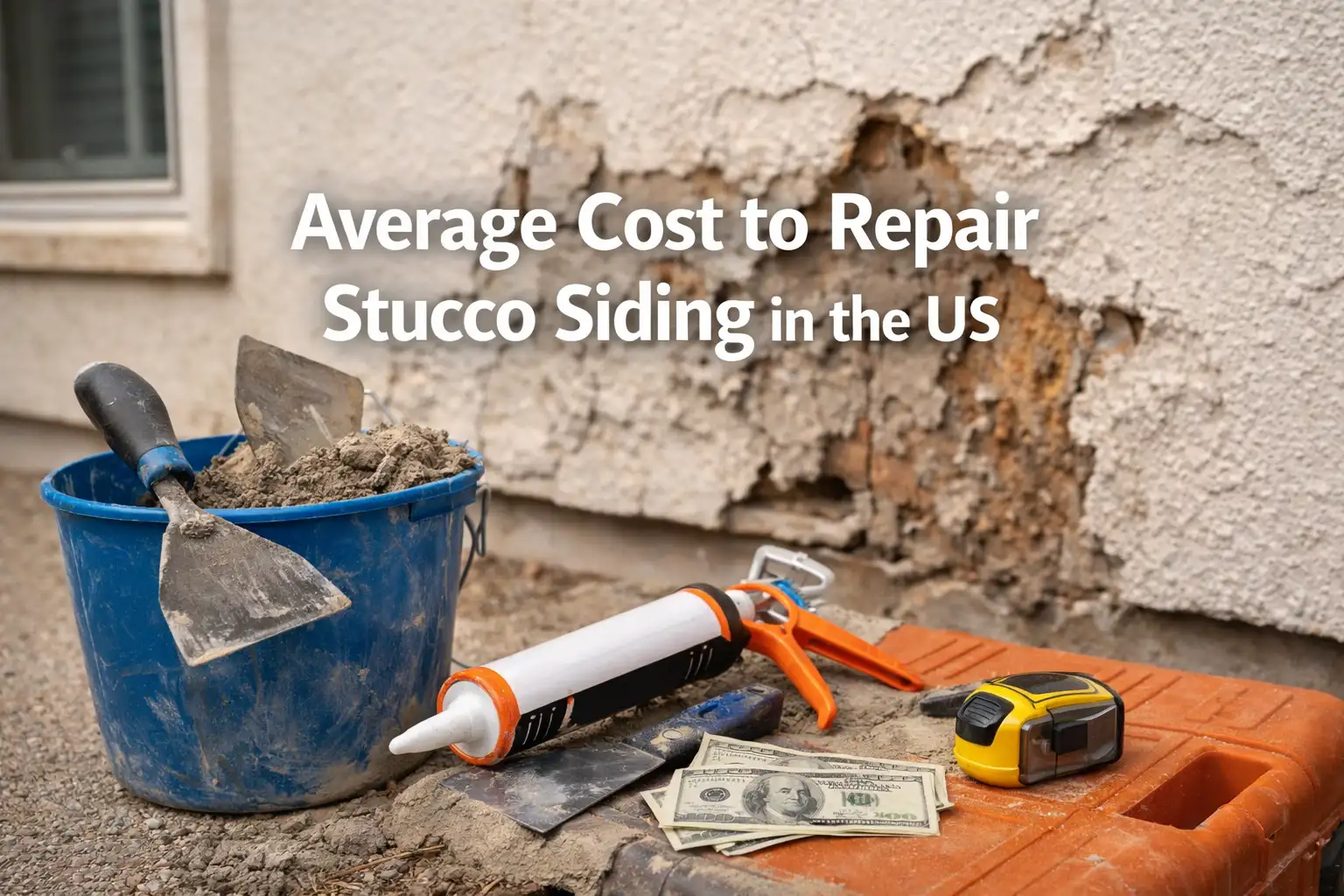
    Before getting started, you must know the cost to repair stucco siding and how much stucco repair costs. Standard stucco repair expenses in the U.S. range from $1,600 to $4,910, reflecting the average cost of stucco repair, depending on the extent of damage, location, and kind of system. Fusion Estimating in this guide will show you how to make a budget, what sets prices, and what the average costs are.

    How Much Does It Cost to Repair Stucco in the US?

    One of the first things people who need to repair their stucco ask is, “How much will it cost?” The amount of damage, the type of stucco, labor rates, and area prices all affect how much it costs to fix stucco in the United States. However, industry data gives a good estimate that you can use for budgeting.

    National Average Total Cost

    Most repairs to stucco siding in the U.S. cost between $1,110 and $4,910, which represents the national cost to repair stucco siding for normal home repairs. A lot of people spend about $2,332 on skilled stucco repair work every year as part of the cost to repair stucco siding.

    Small decorative fixes, like filling in small cracks or chips, can cost much less (sometimes as little as a few hundred dollars). Bigger jobs, like removing damaged stucco and putting on new layers, will cost more.

    Cost Per Square Foot

    Many contractors base their quotes on the square footage of damage when they fix stucco:

    • Repairs to stucco on exterior walls usually cost between $8 and $50 per square foot, reflecting common stucco costs per square foot.
    • Costs can go up to $60 to $120 per square foot for bigger or more complicated repairs, increasing the overall cost to repair stucco siding for water or structural issues.

    These prices per square foot include both materials and labor. However, the total price may go up because of differences in regional labor costs, which are higher in some cities. Because problems with the stucco can hide bigger problems, it is always a good idea to get a professional to look at it and give you a price. This way, you can avoid any surprises and fix all the damage.

    Stucco Repair Cost by Damage Type

    Damage to stucco can range from small cracks on the surface to major structural problems. The type of damage affects how much it costs to fix. Here is a list of common stucco issues and how much people can expect to pay for them:

    Hairline Cracks / Minor Surface Repairs

    Cost: Approximately $8–$20 per square foot, depending on the cost to repair stucco siding in your area.

    The settlement of stucco or change in temperature is normal and may result in the development of hairline cracks, which are fine shallow cracks appearing on a surface. For these kinds of repairs, you usually have to clean the crack, put on patching material, and blend the texture.

    Most of the time, a skilled do-it-yourselfer can fix small cracks, but a seamless texture match usually needs the help of an expert. Prices stay low because the work is mostly just fixing things on the surface.

    Medium Damage / Multiple Cracks

    Cost: Typically $30–$50 per square foot as part of the cost to repair stucco siding for moderate damage.

    It also takes longer to do the work when the cracks are big and frequent or when they appear in a wide area. Usually, there is a lot of work to be done before finishing when there are multiple cracks. The work may involve cleaning the damaged stucco, the edges, and finally applying a new coat. Costs go up because work and materials cost more. This group includes most common stucco repairs for mild damage in homes.

    Water Damage & Structural Issues

    Cost: Around $30–$50+ per square foot, more if framing or insulation is damaged, increasing the cost to repair stucco siding.

    If water gets under the stucco, it can cause mold, rot, or the base to fail. A lot of the time, repairing water damage means taking off the stucco layers, letting the structure dry, cleaning it, and then putting the materials back on. The cost increases due to the fact that job is not only the fix of minor problems but of larger ones.

    Large Holes / Complex Spots

    Cost: Roughly $60–$120 per square foot due to higher cost to repair stucco siding in complex areas.

    Due to prep work, scaffolding, and texture matching, chimney, corner, and foundation repairs cost more. Before applying stucco, these areas may need framing, flashing, or metal lath replacement, increasing expenses.

    Labor & Material Costs for Stucco Repair

    To figure out how much stucco repair will cost, you need to know that the main costs are labor and materials. Contractor prices often include these two things together, but separating them helps you see where your money goes.

    Labor Costs

    Labor is usually the most expensive part of stucco repair and a major factor in the cost to repair stucco siding. This is because stucco work requires a lot of skill and includes many steps, like preparing damaged areas, applying base coats, curing layers, and matching texture.

    • Hourly Rates: Depending on their experience, where you live, and how difficult the project is, most stucco repair professionals charge between $40 and $75 an hour.
    • Price Per Square Foot: A lot of contractors also charge for work based on a rate per square foot, which is usually between $8 and $50 per square foot. This rate includes both labor and basic materials in one fee.
    • Complex Jobs Cost More: For example, fixes on upper floors, at odd angles, or with intricate architectural features that need scaffolding, special tools, or extra safety measures cost more to do.

    Because you have to wait for each coat of stucco repair to dry before adding the next, the work can take days for even small jobs, which adds a lot to the total cost.

    Material Costs

    What you use to fix stucco depends on the type of stucco and how bad the damage is.

    • Stucco Mix: Traditional cement-based stucco mix is inexpensive, ranging from about $0.05 to $0.10 per square foot for the base material. Synthetic stucco (EIFS) is a far more specialized product and costs at least $0.25 to $0.50 per square foot.
    • Accessories: Mesh, metal lath, and gas barriers are often needed for repair jobs to make sure that new stucco is strong and sticks well. Some of these items may add a small amount to the total.
    • Paint and Finish: If you need to match the color or paint again after the repair, it can cost an extra $1 to $3 per square foot or more.

    DIY vs. Professional Stucco Repair

    AspectDIY Stucco RepairProfessional Stucco Repair
    CostLower cost (materials/tools only)Higher upfront cost ($60–$120 per square foot, or $40–$50/hour) based on the cost to repair stucco siding
    Ideal forSmall, superficial damage (e.g., hairline cracks)Larger damage or structural issues
    Skill LevelBasic handyman skills requiredProfessional expertise and experience required
    Materials & ToolsStucco patch kits, basic hand toolsSpecial tools, materials, and equipment
    LaborNo labor cost (DIY), but time‑consumingLabor costs included, but faster completion
    OutcomeMay lack texture/color matching, risk of further issuesHigh-quality finish, texture/color match, and problem detection
    RisksPoor adhesion, cosmetic issues, or hidden damageReduced risk of recurring problems or damage
    Warranties/GuaranteesNoneOften provided, ensuring long‑term durability and reliability
    Best forMinor cracks or patchesMajor repairs, moisture issues, structural fixes

    How to Budget & Estimate Your Stucco Repair Project

    Planning ahead keeps stucco repair costs low and minimizes surprises. Measure the damaged areas to determine the square footage that needs work. Contractors usually bid on this dimension, so having your own estimate helps you compare rates.

    Request detailed bids that break down labor, materials, and any additional costs. A good bid shows how much the stucco mixtures, metal lath, mesh, and matching of textures will cost in comparison with the labor aspect. This helps in establishing transparency to negotiate and pinpoint expensive items.

    Always budget for surprises. Mold cleanup, moisture penetration, and weakened base can cost hundreds to thousands of dollars. If difficulties arise during repair, a 10 to 20% contingency fund, or $500 to $1,000, safeguards your budget.

    Consider combining stucco repairs with painting, trim restoration, and exterior maintenance. Combining jobs reduces labor costs and improves exterior consistency, improving value.

    Common Stucco Problems & Why They Occur

    Despite its durability, natural movement, dampness, and impact damage can harm stucco. Understanding root causes helps homeowners prevent costly issues.

    Cracks From Settling & Temperature Changes

    Stucco cracking, which forms hairline cracks, is a common issue that may be due to settlement of the foundation of the home or stucco thermal expansion and contraction. While hairline cracks 1/16″ wide are common occurrences, other types of cracking or those around windows and corners indicate potential issues with the structure or its installation.

    Moisture Penetration & Water Damage

    Most damaging to stucco is moisture. Porous stucco lets water in if flashings, caulking, or moisture barriers fail. Once under the surface, moisture can discolor, mold, and damage the wall structure. Moisture causes major repairs like section replacement and framing repair.

    Impact Damage & Other Wear

    Lawn mowers, hail, fallen branches, and debris can damage stucco. The results of these physical strikes may be chipped fragments, holes or dents that appear unsightly and allow water to enter the stucco leading to deterioration. A few repairs and frequent check-ups make the minor concerns look insignificant.

    Region & Location Cost Variations

    Labor availability, local demand, and climate affect U.S. stucco repair costs. States with high stucco siding have a number of contractors hence low prices. In warmer, drier places like California, Florida, Arizona, and Nevada, stucco siding is popular, therefore there are more specialists and lower labor rates.

    Stucco repair costs are greater in northern and colder areas like New York, Massachusetts, Minnesota, Illinois, and Hawaii because fewer contractors specialize in stucco work. A shortage of professionals can raise hourly and project expenses.

    Cities that are costly to reside in and require skilled craft work have a greater price of stucco repair as compared to the rural settings where labor and materials are cheap. Stucco repairs that cost $2,000 in a warm climate can cost 30 to 45% more in areas with fewer contractors or higher living costs.

    When to Repair vs. When to Replace Stucco

    CriteriaRepairReplace
    Best forSmall cracks, chips, or hairline damageLarge-scale damage (moisture, rot, structural issues)
    Extent of DamageLess than 25% of the wall area affectedMore than 25% of the wall area affected
    CostTypically $8 to $50 per square footTypically $6 to $9 per square foot (or higher)
    LongevityShort-term fix, may require repeat repairsLong-term solution, new stucco lifespan (50+ years)
    When to ConsiderMinor, cosmetic damageMajor structural or moisture damage, or when stucco is old and deteriorating
    Time RequiredFaster, often a few hours to daysTakes longer, requires removal of old stucco and reinstallation
    Suitability for DIYFeasible for small patchesRequires professional labor and materials
    BenefitsQuick, affordable, and minimal disruptionRestores the entire surface, ensures long-term durability

    Get Accurate Stucco Repair Costs with Fusion Estimating

    Knowing how much it usually costs to fix stucco siding in the U.S. helps people make smart choices and avoid spending more than they planned. Whether you have small cracks, damage from water, or want to replace your whole stucco, knowing when to fix and when to replace can save you a lot of money in the long run. Costs vary by damage type, location, labor, and materials, so realistic estimates are better than assumptions.

    This is where Fusion Estimating can become helpful. Fusion Estimating is a professional construction estimating company that provides accurate Construction Takeoff and trade-specific cost estimates for stucco repair and other exterior construction projects. Contractors, homeowners, and developers can trust our accurate estimates based on square footage, labor rates, material requirements, and regional prices. We want to help you make a trustworthy budget, lower your risk, and clearly plan your project.

    Need an accurate stucco estimate for repairing stucco wall sections? Need an estimate of the cost of your next construction project in a hurry and professionally? Contact Fusion Estimating today and get a rapid and professional estimate of your construction project price. Together, let us make smarter.

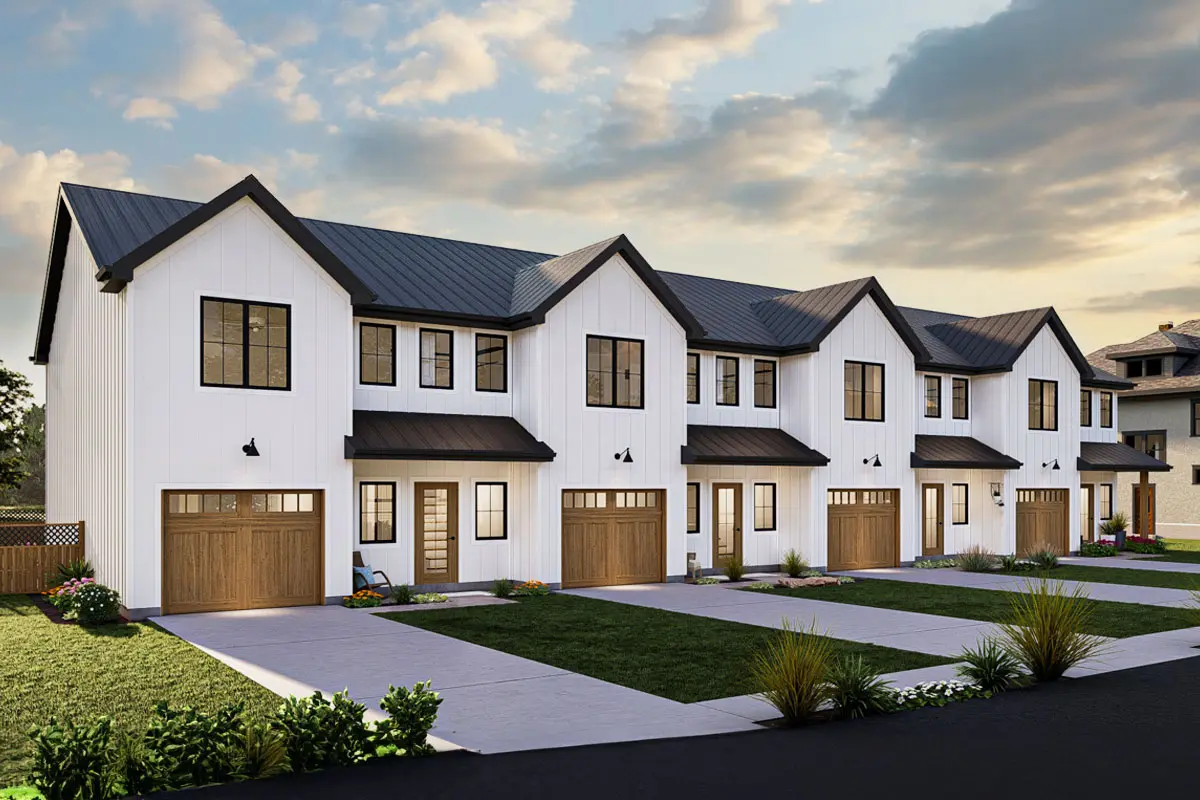
  • What Is a Quadplex and How Much Does It Cost to Build?

    What Is a Quadplex and How Much Does It Cost to Build?

    A lot of people are interested in investing in quadplexes, especially those who want to rent out their homes but do not want to buy a huge apartment property. As an entry point into multifamily property ownership, they are well-balanced, with good cash flow prospects and easier financing than bigger 4 apartment building investments.

    A fourplex, also written as “4 plex,” is a type of apartment building that has four different units all under one roof. For a building to be a real quadplex, each unit must have its own entrance, kitchen, bathroom, and front door that can be locked.

    This guide will teach you what makes quadplexes special, why investors and owners like them, and most importantly, the cost to build a 4 plex today. You can plan better, stick to your budget better, and avoid common mistakes before you start building if you know how much things will cost.

    What Is a Quadplex?

    A quadplex is a multifamily residential building with four living spaces under one roof. Tenants live individually in units with their own entrance, kitchen, bathroom, and utility meters. Quadplexes differ from apartment complexes and single-family homes in design.

    Core Features

    Four Independent Units: Each unit is a standalone dwelling with a front door and living rooms.

    • Separate Utilities: Each unit may have its own metered utilities, simplifying billing and maintenance.
    • Residential Classification: Quadplexes are designated as residential real estate, making them more accessible for investors and owner occupants, as they may be funded with residential mortgages instead of commercial loans.

    Quadplex vs. Other Multi Unit Types

    • Duplex: 2 units in one building.
    • Triplex: 3 units in one building.
    • Quadplex: 4 units in one building.

    Common Layouts

    • Several layouts are possible for quadplex units:
    • Side by side: All four units aligned on one level.
    • Stacked: Two units above two units.
    • Hybrid: Combines vertical and horizontal configurations for space efficiency.

    This allows quadplexes to be flexible while still offering private living quarters for numerous occupants.

    Why Choose a Quadplex? Key Benefits

    One of the smartest things you can do in real estate is to buy in a quadplex (fourplex). This is especially true for first-time investors or homeowners who want to lower their housing costs. Today, a lot of people choose to buy or build a quadplex because:

    Multiple Income Streams

    The ability to make rental income is one of the best things about a quadplex. You can make money from up to four different tenants if you have four separate flats. If one unit goes vacant, the other three can still bring in money. Compared to single-family renters, this helps keep income stable and lowers risk.

    Favorable Residential Financing

    Quadplexes (properties with three to four units) can get residential mortgage loans instead of business loans. This means lower interest rates, longer times for paying back the loan, and usually smaller down payments, just like when you buy a single-family home. Lenders will even give you loans with as little as 3.5% down if you only live in one unit.

    House Hacking Potential

    A lot of people live in one unit of a quadplex and rent out the other three. This is called “house hacking.” This can help you start dealing in real estate without having to pay a lot of money up front. It can also help you pay off your mortgage faster.

    Easier Management

    There are four units in one building, which makes maintenance, inspections, and communication between tenants easier. It is usually easier than taking care of multiple single-family homes in different places.

    How Much Does It Cost to Build a Quadplex? Overview

    Before starting the project, it is important to know how much does it cost to build a fourplex (quadplex). When you build a house instead of buying one, you have to pay for land, building materials, permits, and work. Prices change based on where you live and the style you choose.

    The cost of a quadplex can vary from $120 to $300 per square foot to construct. Of course, this is always project-dependent. For a standard 3,000 to 5,000-square-foot quadplex, the cost to construct is between $400,000 to $1,000,000 or more. Most projects cost around $750,000. Prices range from $155,000 to $372,000 per unit, based on size and finish.

    The total cost highly depends on the size of the quadplex. Units that are less than 3,000 square feet may cost between $400,000 and $600,000. A quadplex of about 4,000 square feet would usually cost within a range from $600,000 to $900,000. Larger or more expensive units (5,000 square feet or more) can cost between $900,000 and $1,200,000+, especially if they have high-end finishes.

    Price changes depend on the type of design, the area, the mix of units, and the selected 4 unit apartment building plans. Custom plans and premium materials increase costs, while labor and permission fees vary by city or state. Adding more square space also naturally makes the total cost go up.

    Breakdown of Building Costs

    If you want to make a quadplex, the total cost is not just one number; it is made up of several parts. Knowing what each part does helps you make a reasonable budget and avoid surprises as the building goes on with proper Construction Estimating services. In a clear and logical way, here is a list of all the major cost areas that are involved.

    Hard Costs (Structure & Materials)

    Hard costs are the direct costs of making the structure. They include the foundation, framing, roofing, exterior walls, windows, and finishes on the inside. Many times, these take up the biggest chunk of the cash.

    • Foundation & Framing: Digging, making concrete footings, supports, and supporting the structure.
    • Roofing & Exterior: Siding, insulation, outdoor doors, shingles or metal roofs.
    • Interior Materials: Floors, cabinets, drywall, and bathroom fixtures.
    • HVAC and Utilities Rough Ins: Ductwork, basic heating and cooling systems, plumbing risers, and electricity rough ins.

    For example, the cost of a basic build can range anywhere from $120 to $300 per square foot, based on where you live and the quality of the materials you use.

    Labor Costs

    These are the prices of all the skilled trades that make a project happen. This bucket can change a lot depending on where you live and how the job market is doing.

    • General Contractors & Sub Contractors: Builders, carpenters, and framers who oversee the project.
    • Electricians & Plumbers: Make rough cuts and finish the work.
    • HVAC Technicians & Roofers: Specialized teams that set up systems.

    Labor can make up 20–35% of the total hard cost of many projects, and the need for skilled labors is making this number go up in some markets.

    Permits & Fees

    After getting the necessary permits and approvals from the city, a construction job is considered complete. You need these before and during the building process to meet safety, zoning, and code requirements.

    • Building Permits, Zoning Approvals: Costs vary by city/state.
    • Inspections: Required at key stages (foundation, electrical, plumbing).

    Typical fees can add up to more than $40,000, and they can be higher in places where things are more expensive.

    Soft Costs

    • These are indirect project planning and management costs, not construction.
    • Architect and engineering fees: blueprints and estimates for the structure.
    • Project management: keeping an eye on schedules and managing things around.
    • Legal and finance costs: getting a loan or a lawyer for reviewing it.

    You need to include soft costs, which are usually between 8 and 20 percent of the total cost of the build, so you do not go over budget.

    Land Purchase & Site Preparation (Separate but Critical)

    When you buy land, it affects your whole project budget, even though it is not part of the build costs themselves. You need to think about this early on. Land prices change a lot from market to market, especially between cities and suburbs.

    • Site Acquisition: The price paid for the raw land.
    • Site Prep: Clearing, grading, soil testing, and utility connections. If the land is rough, site prep can add $10,000 to $50,000 or more.

    Cost Per Unit and Per Square Foot

    The cost per unit and cost per square foot are useful price benchmarks for quadplex (fourplex) construction when reviewing professional Residential Estimates. These evaluate your budget and compare build possibilities before you start.

    Cost Per Unit

    • Building a quadplex unit typically costs $263,500 per unit, although costs can vary from $155,000 to $372,000 based on unit size, finishing, and labor rates.
    • Costs tend to rise with larger units or higher-end finishes.

    Cost Per Square Foot

    • Building a quadplex typically costs between $120 and $300 per square foot, depending on factors such as material quality, labor, and project complexity.
    • Some projects come in somewhat below this range for simpler designs or cheaper locations while custom or luxury builds may exceed it.

    Factors That Impact Cost

    If you want to know how much it will cost to build a quadplex (fourplex), you should know that the exact price depends on a number of important factors. These affect both how much it costs per square foot and how much you will spend all together. It is easy to see what makes the numbers go up or down.

    Location

    It is very important where you build. Costs for labor, materials, permits, and land are generally higher in cities with a lot of demand than in rural or suburban areas. For example, in big U.S. cities, construction expenses per square foot are higher than in smaller markets.

    Materials

    The cost can vary a lot depending on whether you choose to include basic materials or high-end finishes such as hardwoods, high-end cabinets, high-end fixtures, etc. Using high-end materials can increase your budget significantly by tens of thousands of dollars.

    Design Complexity

    Simple, efficient designs save money. You will have to pay more for materials and work if your quadplex has complicated architecture, custom layouts, or special features.

    Labor Costs

    Labor costs can change a lot depending on where you live and how many contractors are available. The cost of skilled trades like electricians, plumbers, and HVAC workers is often the biggest part of the whole.

    Permits & Regulations

    Permits, inspections, zoning, and building code compliance can cost thousands before construction, especially in tougher areas.

    Site Prep & Utilities

    Before construction even starts, it costs more to clear the land, level the site, and connect utilities like water, sewer, and electricity. These depend a lot on the terrain and the equipment that is already there.

    Financing and Budgeting Tips

    • Planning for funding is equally important as designing a quadplex (fourplex).
    • Construction-stage short-term loans. You pay interest just during construction and refinance afterwards.
    • For 1–4-unit properties, lenders may offer regular mortgages or construction-to-permanent loans with reduced rates and longer periods for owner occupants.
    • To fund expenditures, consider using home equity, partnerships, or private lenders, especially for non-traditional financing. Bridge or hard money loans can provide speedy funding at higher interest rates.
    • Compare contractors to stay protected against over budget.
    • Budget for insurance, utilities, and loan interest during construction.
    • Budget 10 to 20% for unexpected costs, as building projects often contain surprises.

    Pros & Cons of Building Your Own Quadplex

    Quadplexes offer good investment potential, but they also have downsides. Here is a quick summary:

    Pros

    • Multiple apartments generate high rental income, ensuring predictable cash flow.
    • Quadplexes’ favorable financing includes reduced interest rates and cheaper down payments for residential loans.
    • Scale economies lead to lower maintenance and management costs compared to single-family rentals.
    • Three units will cover the price of one vacant unit.

    Cons

    • Managing four units needs time or employing a property manager.
    • Higher tenant turnover leads to potential vacancies.
    • Quadplex sales may be slower due to fewer potential purchasers.
    • Construction and tenant management involve significant time and effort.

    Conclusion

    The construction of a quadplex is a big project with profitable earning potential, but it is a necessity to understand what it is and how much it costs. A four-unit structure can be a cheaper project compared to other multifamily construction and can produce multiple revenue streams, costing from $400,000 up to over $1,000,000+ depending on the size and other factors.

    Before you start building, do these useful things:

    • Request unique blueprints and quotations from an architect or builder.
    • Obtain multiple contractor estimates to compare expenses.
    • Prepare a clear budget and backup plan to prevent surprises.

    Smart planning now improves construction and profits.

  • What Does It Cost to Install Wallpaper in 2026?

    What Does It Cost to Install Wallpaper in 2026?

    In 2026, wallpapering your walls has become one of the most dramatic and cost-effective ways to make your house look new again. It is also still popular as a substitute to paint as it adds texture, design, and character to rooms without the need to undertake a complete renovation. But before you start choosing patterns, it is helpful to know how much it will really cost.

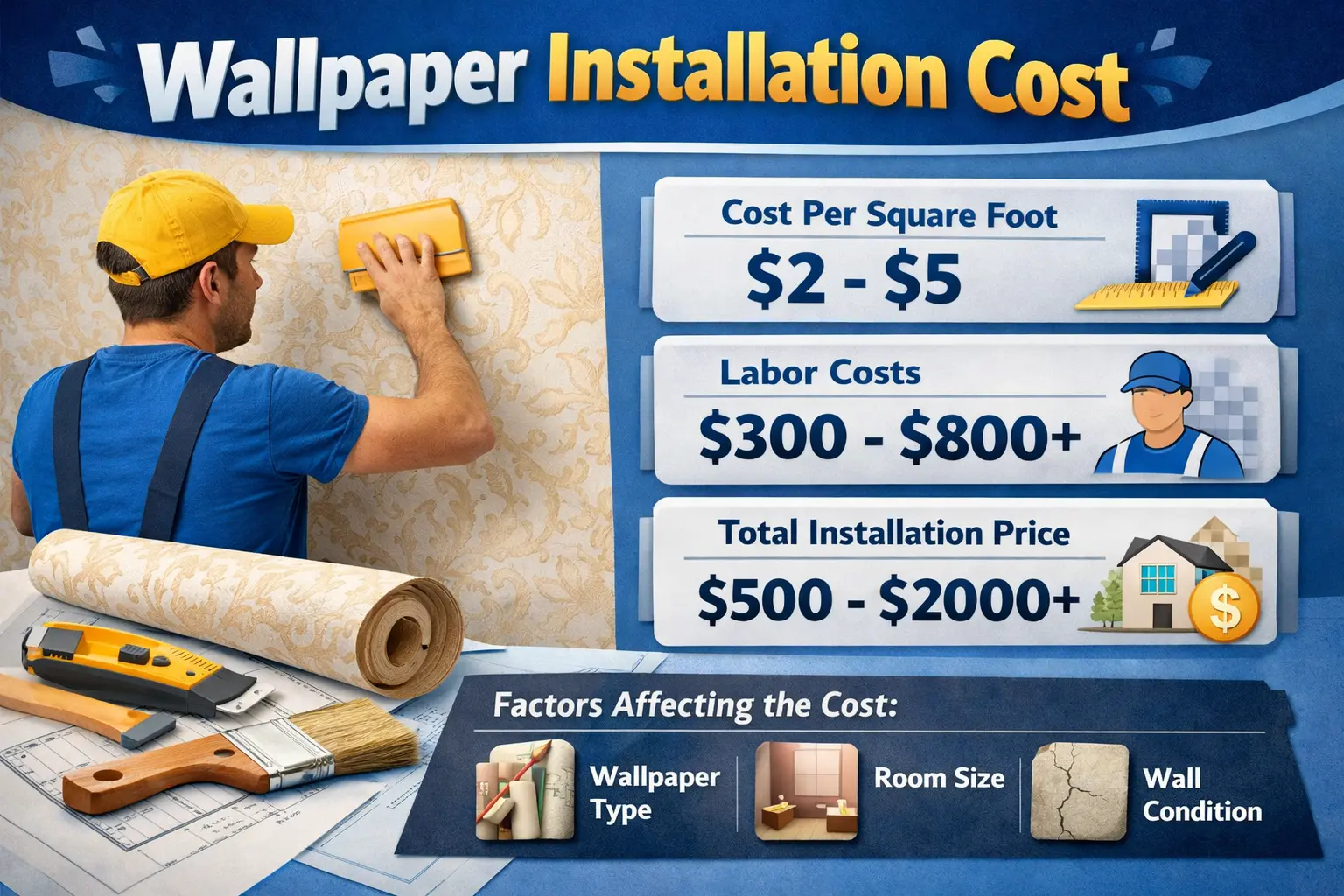
    In the U.S. as a whole, professional wallpaper installation costs between $4 and $10 per square foot in 2026. This includes both the labor and the materials. For an average interior wall project, like a 12 by 8 wall, that means the whole thing costs between $400 and $1,000 if the walls are simple and in good condition.

    This article will explain what effects those costs, materials and labor, room complexity, geographical disparities, DIY, budgeting, and 2026 money-saving methods related to the cost to install wallpaper.

    How Wallpaper Pricing Works — Key Factors

    Before you can estimate how much it cost to install wallpaper, you need to know why prices can vary so much. Your choice of wallpaper, the amount of work that goes into it, and the state of your walls are all important factors that affect how much you will pay.

    Material Type & Quality

    • Standard types of wallpaper, like vinyl or non-woven, are usually the cheapest. The material itself costs about $1 to $3 per square foot, which impacts the wallpaper price per square foot.
    • The peel and stick varieties are also simple to work with and less expensive in the case of a do-it-yourself project, though more expensive when time has to be charged by skilled installers.
    • More expensive materials, such as grasscloth, textured fabric, or artist prints, can be hard to hang and cost a lot more.

    The type of material you choose affects both how much it cost to install wallpaper and how hard it is.

    Room Size & Complexity

    • How much it costs will depend on how much wall space you need to cover, which directly affects the cost to install wallpaper. It makes sense that bigger places need more rolls and more work.
    • Rooms with corners, windows, trim, or high ceilings need more time and care, which pushes up the hourly wage.

    Wall Preparation & Repair

    • Walls usually need to be cleaned up first before wallpaper is put up. Your price will go up if you sand, fill cracks, prime, or take down old wallpaper.
    • Installers usually charge more if they have to make big fixes before hanging.

    Regional Labor Rates

    • Where you live affects how much labor costs. Prices are usually higher per square foot or per hour in cities where living costs are higher than in rural or suburban places.
    • As of 2026, professional labor costs between $3 and $7 per square foot in the U.S., based on where the project is located and how skilled the installer is, shaping the wallpaper installation cost.

    Cost Breakdown: Materials

    One of the most important parts of making a budget for your 2026 wallpaper project is estimating how much the materials will cost within the cost to install wallpaper. The number of different kinds of wallpaper is great: there are cheap rolling wallpaper that can be installed by individuals, and the more expensive designer paper. The price you pay will depend on these differences.

    Typical Wallpaper Material Costs (Per Roll & Per Sq Ft)

    This is how the prices of items usually compare:

    • Standard Vinyl and Paper Wallpapers: Most basic wallpapers cost between $20 and $50 per roll for the material alone. You can find options at big stores and online that are around this price range.
    • Vinyl and Textured Wallcoverings: Wallpapers in the middle range that are more durable or have texture tend to cost a bit more, around $1.75 to $3 per square foot when broken down by area.
    • Grasscloth or Natural Fiber Wallpapers: These are high-end materials made from woven plant fibers like sisal, hemp, or bamboo. Because they are made by hand, they usually cost between $90 and $140 per roll, or $2.50 to $4 per square foot of coverage.
    • Designer and Luxury Wallpapers: Depending on the brand, woven texture, and the fact that it is unique, beautiful high-end or handmade wallpaper can cost $150 to $400 or even more per roll.

    There are cheap peel-and-stick or removable posters that cost as little as $1.50 per square foot, which makes them a great choice for renters or short-term decorating projects.

    Types & Typical Price Ranges

    • Peel-and-Stick or Removable: This type of wallpaper is easy to install yourself and cheaper overall, especially for accent walls or renters.
    • Standard Vinyl & Non Woven: lasts a long time, comes in many styles, and works well in most living rooms and beds.
    • Natural and Grasscloth: These types of wallpapers have a better texture and look more designer, but they are generally more expensive and harder to install.
    • Luxury & Designer Papers: have high-end looks and custom designs that can make your material costs go up by a lot.

    Tips to Estimate Material Costs

    • Estimate how big your wall is to get an idea of how many rolls you will need. To do this, multiply the height by the width and add about 10 to 15 percent to account for waste and pattern matches.
    • Buy additional wallpaper, especially printed and pricey versions, so you have matching rolls for repairs.
    • Look at the prices of standard and peel-and-stick options to find ways to save money without giving up style.

    Cost Breakdown: Labor

    Prices for wallpaper materials only tell you half of the story when calculating the cost to install wallpaper. The other (and often bigger) part of your budget goes for labor. In 2026, the cost of professional installation can change a lot depending on how experienced the installer is and how complex the job is. Learning how much labor usually costs can help you make a good budget and avoid surprises.

    National Installation Labor Rates

    Professional wallpaper installation costs $3 to $7 per square foot in the U.S. This is roughly the price that a majority of professional fitters or wallcovering professionals would charge normal jobs at home.

    Some laborers may provide quotes on an hourly basis rather than per square foot. Hourly labor rates range from $30 to $80, depending on region and contractor skill.

    In areas where the cost of living is high, such as Miami or San Francisco, the prices may increase even higher, sometimes by $4.50 to $9 per square foot. This is because of the need to hire local laborers and traveling costs.

    What Professional Labor Includes

    When you hire a pro, they usually do the following:

    • Preparing the walls by cleaning, sanding, painting, and smoothing the surfaces
    • It is very important to measure, cut, and match patterns when working to hang on wallpaper correctly.
    • Quick installation, it involves applying glue, hanging the paper, and cutting the ends
    • Make sure the seams are neat and clean up any extra glue.

    These steps make sure that the result lasts and looks good, which is hard to do by yourself.

    Labor Cost Variables to Watch

    Several aspects of a project can make labor costs go above and beyond the base range:

    • Existing wallpaper removal: If the existing wall papers need to be removed, it will cost an additional $1 to $4 per square foot.
    • Wall repair and preparation: Repairing holes, cracks, or irregular textures on the wall will take longer.
    • Tall ceilings or tricky layouts: When the layouts or ceilings are too high, it is difficult to work with and more cutting and fitting is required and time consuming.

    Example Total Labor Cost

    In 2026, it might cost between $900 and $2,100 for skilled labor alone to wallpaper a typical living room with about 300 square feet of wall space. Also needed are materials and prep work.

    DIY vs Professional Installation

    The most important thing to think about when installing wallpaper is not just how it looks, but also who should do it to manage the cost to install wallpaper. In 2026, many people use both do-it-yourself and professional choices. Each has its own pros and cons in terms of cost, ease of use, and quality.

    DIY Installation — Pros & Cons

    Pros:

    • When you do it yourself, you only pay for wallpaper and tools, not staff.
    • Great for easy projects because DIY can be quick and fun when you are making an accent wall or peel-and-stick paper.
    • You choose your own hours, so you do not have to worry about hiring contractors.

    Cons:

    • Skill is important because installing wallpaper is not as simple as painting, patterns need to be matched exactly, and lines need to be perfectly matched for it to look professional.
    • You might need to buy tools such as, primer, paste, brushes, smoothing tools, and a sharp blade.
    • It takes more time because beginners often spend a few extra hours cutting and fixing their work.

    DIY Cost Estimate: The total cost of tools and materials for a normal room can be between $100 and $300, not including the cost of the wallpaper roll, which affects the average wallpaper cost.

    Professional Installation — When It’s Worth It

    Reasons to hire a pro:

    • Wallpaper with complicated patterns or textures needs to be installed by a professional.
    • Precision is crucial in large areas, high ceilings, or challenging angles.
    • If there is damage to the wall, professionals can fix it and get it ready for hanging.

    Professional benefits:

    • Better finish and longer life.
    • Quick turn-around
    • Peace of mind and a guarantee of good work

    Hidden & Additional Costs to Expect

    Aside from the price of the wallpaper and installation, there are a few other costs that most people do not think about, but they can have a big effect on the cost to install wallpaper in 2026.

    Old Wallpaper Removal

    • Most of the time, you have to take down old wallpaper before installing new paper. Professional wallpaper removal costs $0.60 to $3.00 per square foot, depending on the type and condition of the wall.
    • Tough layers or more than one can make removal more difficult or even require heating or scraping.

    Wall Preparation & Repair

    • Wallpaper can also fail to stick onto the walls after priming, cleaning, sanding, or repairing cracks in the walls.
    • Although it costs more, this prep work makes sure that the wallpaper looks professional. If you do not do it, flaws will often show through later.

    Tool Rental & Equipment

    • If you are doing any prep work or DIY, you might need to rent ladders, scaffolding, or a cleaner in order to install wallpaper, especially in high places.
    • Sometimes, even professionals charge extra for tools that are needed in congested areas.

    Pattern Repeat & Waste

    • Wallpaper with patterns that repeat needs 10 to 15% more material to make sure that the designs are the same on all panels, which drives up the cost of materials.
    • If you skip this extra, the seams might not match up accurately or the wallpaper can get short.

    Regional Pricing: What 2026 Costs Look Like Across the US

    The cost of installing wallpaper can vary a lot based on where you live, influencing the cost to install wallpaper overall. This is due to regional differences in cost of living, labor prices, and skilled installer needs.

    Urban vs. Suburban & Rural Markets

    High-cost cities like parts of California, New York, and Denver tend to be near the top of the national range for wallpaper installation prices, at around $4.36 to $10.90 per square foot. This is because of higher labor costs and more complicated pricing structures.

    Prices for materials and work in mid-sized cities and suburbs are usually between $4 and $10 per square foot, which is the national average.

    Since the work cost is lower and competition between local installers is higher, the smaller cities and rural regions which include portions of the Midwest like Michigan tend to have lower costs installed (approximately 3 to 5 dollars per square foot).

    Quick Regional Comparison

    Region TypeTypical Installed Cost/Sq Ft (2026)
    Major Metro (e.g., NY, CA, Denver)~$4.36 – $10.90
    Mid‑Sized Cities & Suburbs~$4 – $10
    Smaller Cities / Midwest~$3 – $5

    Trending Wallpaper Styles of 2026

    Wallpaper is more than a background in 2026, it is a trending technique to express personality and enhance interior design. This year’s trends:

    Bold Patterns & Statement Walls

    • Designers are increasing the visual impact of living spaces with bold designs, panoramic murals, and huge botanical prints, instead of basic backdrops. These striking designs are ideal for accent walls or rooms.
    • Using rich patterns in wallpapers, fabrics, and décor is a trend that combines vintage charm with modern flair.

    Nature & Organic Inspirations

    • In 2026, wallpaper collections emphasize organic designs, natural themes, and earthy palettes, promoting serenity and connection to nature.
    • Designs with wood grain, stone effects, or grasscloth textures are popular for their tactile and sensory appeal.

    Textures, Sophistication & Color Depth

    • Expect textured surfaces like embossed and trompe l’oeil sheets that offer depth without paint or décor.
    • Trendy and timeless wallpapers are supplemented by classic neutrals, layered colors, and subtle color play, including earthly greens, warm neutrals, and pastels.

    Tips to Save Money on Wallpaper Installation

    Wallpaper may transform your residence, but without careful preparation, it can be expensive. In 2026, these standard procedures will reduce installation costs without sacrificing quality.

    • Focus on Accent Walls: The savings for material and labor used in wallpapering is significant since only one feature wall is covered as opposed to the entire room. Accent walls often make a big impact for little money.
    • Buy Materials During Sales: Buy wallpaper on sale, clearance, or seasonal discounts. Buy in bulk to save on roll costs and avoid last-minute add-ons.
    • Reuse Leftovers Creatively: Saving excess wallpaper for modest DIY tasks like lining shelves, cupboards, or decorating furniture reduces waste and extends your investment.
    • Schedule During Off Peak Times: Wallpaper installers may charge less on weekdays or slower seasons. Getting bids and booking early gets you better prices and flexible pricing.
    • Measure Carefully: Do not order too little (risking rush fees) or too much (wasting money). Accurate measuring reduces waste and costs.

    Conclusion

    If you plan well, wallpaper for a room or an accent wall can be worth it in 2026 despite the cost to install wallpaper. Wallpaper is more expensive than paint but more durable, richer in texture, and more attractive than most paint paintings. Professional projects normally fall within the normal pricing bands observed across the U.S.

    Get multiple quotes from local installers, consider wall prep, and compare peel-and-stick versus traditional paper to budget realistically using professional Cost Estimating and Residential Estimating practices to choose the proper finish.

    Wallpaper is a smart décor investment for many homes in 2026 because it provides lasting elegance and value to walls that paint alone can’t.

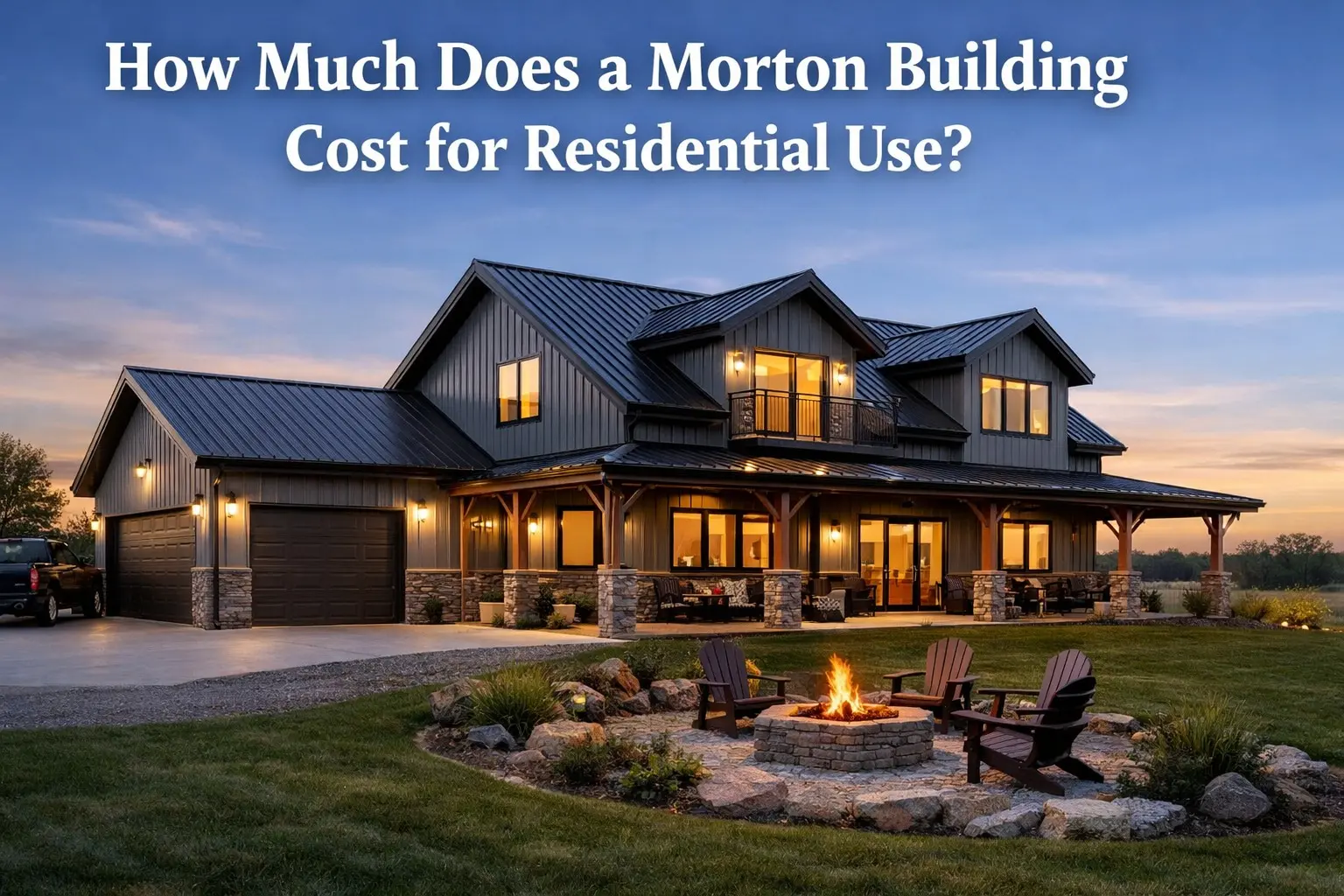
  • How much does a Morton building cost for residential use?

    How much does a Morton building cost for residential use?

    In recent years, steel and metal building homes have become a more popular choice for homes. They are a modern option to traditional wood-framed homes. Metal buildings are known to last longer and be more resistant to damage from rot, pests, fire, and bad weather than structures made of other materials. This can mean lower long-term maintenance costs and more useful life.

    In residential use, a “Morton style building” is usually a post frame or steel structure available from major manufacturers, focused on the style and construction of metal buildings.

    From a general, non-brand-specific point of view, Fusion Estimating will break down common price ranges for metal homes, explain the main factors that affect price, give you real-life examples, and give you budgeting tips to help you make a better choice.

    What Is a Steel/Metal Building Home?

    Instead of the usual wood frame, a steel or metal building home has a main building frame and surface made of steel or metal. Powerful and durable, these homes use pre-engineered metal components made off-site then supplied and built on your land.

    Common Types of Metal Building Homes

    • Metal Home Kits / Pre Engineered Steel Structures: These are steel frames and walls that are made in a factory and come ready to get assembled. In a way, they are the structure of the house, and you can decorate them however you want.
    • Barndominiums: On the outside, a barndominium looks like a barn, but on the inside, it is a fully functional house. In barndominiums, there is often a living area as well as a garage, workshop, or storage room.
    • Pole Barn or Post Frame Homes: These buildings are made with big support posts that are usually hidden in the ground. They have metal siding and roofs and can be fully equipped for living in.

    Key Characteristics

    Durability and Resistance: The steel structures are immune to fire, rotting, pests and adverse weather, and it usually outlives and is durable compared to the normal wood frame houses.

    Customizable Design: Metal frames let you have wide open floor plans and flexible layouts that can work with a variety of building styles.

    Prefabrication and Efficiency: Building a home with prefabricated parts is usually faster and more reliable than building a house on-site.

    Typical Cost Ranges for Metal Building Homes

    Separating the structural shell from a finished, habitable metal structure home helps estimate cost. That way you can see how the budget changes at different stages of the job. Realistic, up-to-date information comes from recent business sources and cost data.

    Basic Building Shell Costs

    Metal building kits (materials only):

    The materials for most premade steel or metal building kits for homes, which include framed walls, roof panels, and structural parts, cost between $10 and $25 per square foot.

    Smaller buildings or simple designs may incur higher square foot costs due to lesser fixed expenses.

    Depending on gauge thickness and materials, local suppliers estimate kits run $25–35 per square foot.

    Turnkey or installed shell:

    A turnkey metal building shell costs about $24 to $43 per square foot, which includes transport, foundation preparation, and professional assembly when evaluating morton building cost.

    This phase only deals with the outside of the building and its structural system. It does not cover things like insulation, electrical work, plumbing, or walls inside the building.

    Finished Residential Costs

    To turn a metal shell into a cozy home, budget for interior systems, finishes, and amenities. Based on the most latest data on construction costs:

    National average finished costs:

    Construction of a metal home usually costs between $50 and $145 per square foot, which includes the materials, the building, the interior finishing, and the work related to morton building cost.

    This range demonstrates that the various areas vary in the degree of design challenge, insulation, interior fitting and labour costs.

    Mid range metal home projects:

    When fully finished with normal home features, some cost guides say that standard metal homes with living quarters cost between $95 and $125 per square foot.

    When you add upgrades like high-end kitchens, handmade cabinets, high-end finishes, and advanced HVAC systems, the total cost can go up. For example, standard wood-framed homes often cost more per square foot than many metal-building homes when comparing morton building cost. This is one reason why steel construction is still a good choice for low-cost home projects.

    Examples by Building Size

    When estimating how much something will cost, the size of the building and how finished you want it to be are two of the most important factors. Here are some prices for small, medium, and large metal construction homes based on market data.

    Small Metal Homes (≈ 1,000–1,500 sq ft)

    For metal building homes that are not too big, about 1,000 to 1,500 square feet, the general costs tend to fall into the following ranges:

    • Lower end: about $50,000 (for easy finishes and little work inside)
    • High-end: at least $145,000 with all internal finishes and utilities set up

    These numbers show the average national prices for fully finished metal homes that include the structural kit, installation, internal finish out, and basic systems like plumbing, electricity, and air conditioning.

    Larger homes often have higher costs per square foot because they have to pay for more fixed costs, like preparing the site and building the base.

    Medium Metal Homes (≈ 1,800–2,500 sq ft)

    Because they require more materials and finishes, 1,800 to 2,500-square-foot medium-sized homes cost more to build. However, the price per square foot can stay the same:

    • A fully finished home usually costs between $90,000 and $260,000 or more depending on morton building cost factors.
    • The price of a 40-by-50-foot (2,000-square-foot) metal home could be between $100,000 and $290,000. This depends on the design features and the quality of the inside.

    This range includes normal home features like bathrooms, kitchens, living rooms, insulation, and utilities, as well as fully finished interiors.

    Larger Metal Homes or Structures (> 2,500 sq ft)

    Homes made of metal that are bigger, like those that are over 2,500 square feet, naturally cost more overall due to higher morton building cost. However, economies of scale may stabilize per-square-foot prices:

    • People often say that a 40 by 60 (about 2,400 square feet) building costs $120,000 to $350,000 or more for a finished home package with normal finishes and interior systems.
    • A 40-by-60-metal building shell may have basic structural package costs that are lower, such as $28,800 to $33,600 for materials plus foundation and assembly costs. These costs do not include interior finish.
    • For homes of the same size, installed turnkey costs that include base, materials, and construction usually range from $62,000 to $91,000 before interior finishing.

    It costs more to build out and design the interior of bigger projects because there are more choices. This is the main factor that affects the total cost after the basic shell.

    Key Cost Factors That Influence a Metal Building Home

    When planning a metal building home, whether it is a simple barndominium, a post frame house, or a steel framed house, it is helpful to know what the main morton building cost factors are. Here are the main things that usually change the total cost of a project.

    Size & Footprint

    The total square footage has a direct effect on the total cost, since bigger buildings need more supplies and workers. It usually takes longer and costs more to build something with a bigger area.

    Size reduces cost per square foot because economies of scale spread fixed expenses like shipping and setup over more area.

    Site Preparation & Foundation

    The land usually needs to be cleared, graded, and leveled before construction can start. The amount of work needed depends on the terrain. Site prep is not usually part of the price of the base kit.

    Residential metal buildings need a solid base, which is usually a concrete slab. A standard slab costs $4–8 per square foot, although poor soil might raise prices.

    The base costs and site costs will increase further when you have to undertake additional work such as testing the soil, excavating utility holes and building retaining walls.

    Materials & Insulation

    The price of steel and other materials changes a lot because of fees, global supply and demand, and the cost of making things, which directly impacts morton building prices. This makes it one of the most unstable cost factors. Higher grade steel, custom coatings, or thicker gauges cost more up front but can last longer.

    Insulation is an important part of building homes that use less energy. Higher R value insulation or metal walls cost more upfront but save money on heating and cooling over time.

    Labor & Local Market

    Labor prices vary greatly depending on location, local building expenses, and skilled labor demand. In some places, labor costs can take up a big chunk of your cash.

    Additionally, it is important to have access to contractors who have experience with metal buildings, as well as, specialized metal building teams may charge more than general carpenters.

    Interior Finishes

    The cost of turning a metal shell into a comfortable house includes plumbing, HVAC systems, electrical wiring, fixtures, drywall, flooring, cabinets, and fixtures. Once the shell is in place, these items often make up the majority of the total cost.

    High-end finishes like custom kitchens, high-end floors, and luxury bathrooms make the total cost a lot higher.

    Permits & Building Codes

    Permits, licenses, and code compliance vary by municipality and can cost thousands. For residential metal buildings, some local governments need certain kinds of engineering or checks.

    Wind, snow, and earthquake codes may also necessitate structural changes, especially in extreme weather settings, which can raise material and labor costs.

    Comparing Steel/Metal Buildings to Traditional Homes

    Cost per square foot and long-term performance are crucial elements in deciding whether a metal constructed home is cheaper than a wood-framed home when comparing the cost of morton building.

    Cost Comparison

    • Metal/steel building homes: The cost of metal/steel construction homes typically ranges from $50 to $200 per square foot, depending on design complexity and finishes, with many projects undercutting traditional builds.
    • Traditional stick built homes: Average building costs $100–200+ per square foot and fully customized residences $200–$450+.
    • Metal building homes often cost 20-30% less than traditional homes due to lower labor and frame costs and speedier construction.

    Other Benefits

    • Construction speed: Improves with pre-engineered metal components, reducing build times and labor costs compared to wood frame, a benefit often highlighted by morton homes buyers.
    • Durability and maintenance: Steel’s resistance to pests, decay, and dampness may help reduce maintenance and insurance costs over time.

    Tips to Save Money When Building Your Metal/Steel Home

    It does not have to cost a lot of money to build a metal or steel house when planning around morton building cost. You can save a lot of money without sacrificing quality if you plan ahead and make smart decisions. Today’s construction and metal building guidelines back up these effective ways to save money:

    Plan & Simplify Early

    • Choose a simpler design: Simple rooflines, fewer custom angles, and open floor plans can help reduce the costs of construction. Prices usually increase when buildings have a lot of complicated features.
    • Use pre-engineered or standard building kits: These choices reduce waste and speed up the building process, saving you 10–20% compared to custom builds.

    DIY & Material Sourcing

    • Take on some build work yourself: DIY general contracting or interior finishing can save thousands on labor.
    • Shop around for materials: Compare prices and consider bulk or sale purchases of windows, doors, and cabinetry.

    Design & Sizing

    • Only build what you need: Reducing space and square footage saves material and labor expenses.
    • Minimize customizations: Put necessities ahead of extras, and if you need to, add upgrades later.

    Conclusion

    Overall, metal/steel building residences vary in price depending on size, finishing, and construction features that influence morton building cost. A typical finished metal home costs between $50 and $145 per square foot. The total cost of an average project can range from a modest amount to a more custom amount.

    Due to lower labor, build times, and maintenance, metal homes are 20–30% cheaper than wood-framed homes. Costs vary, therefore a professional estimate should provide you a location-specific quote.

    Fusion Estimating is an expert in providing accurate estimates for both residential and commercial construction projects through professional Residential Estimating Services. We can help you get accurate estimates for your metal home or any other construction project while staying informed about industry trends, including morton buildings careers. To make budgeting easier and make sure your next job goes well, contact us immediately. Get a free quote today.

  • How much is labor in the cost to hang drywall on ceiling?

    How much is labor in the cost to hang drywall on ceiling?

    If you want to stick to your budget when hanging drywall on a ceiling, you need to know how much the project will cost. Drywall in the ceiling would typically be more expensive to install than in a wall, since it is more difficult and complex to operate in the ceiling. Lifts and scaffolding are more physically taxing and time-consuming than dry wall sheets.

    Fusion Estimating will explain the main aspects that affect ceiling drywall labor prices in this post. Per-square-foot pricing, labor vs. material prices, and how ceiling height, finish level, and room form affect the price will be discussed.

    We will also advise you on the budgeting and go through some of the most frequently asked questions so that you can make a smart decision with regards to your next project. This guide will make sure you are well-prepared and avoid any unexpected costs, whether you like to do things yourself or hire professionals.

    How Drywall Ceiling Costs Are Calculated

    As you plan your ceiling drywall job, it is important to know how much the materials and labor will cost. Here is a list of the main parts that make up the total cost. Some of the Cost Components are:

    • Material Costs:The costs of the materials used to put drywall usually include drywall sheets, screws, tape, and joint compound. Most of the time, these things cost between $0.50 and $0.90 per square foot. There could be different prices of different types of drywalls, including those that are water, fire, etc. resistant.
    • Labor Costs: Between 65% and 75% of the total cost of installing a drywall ceiling goes to labor. This is because overhead work is harder than drywalling.

    It takes a lot of work to hang drywall on a ceiling because it is not as easy to hang it on a wall. The top work needs more skill and accuracy, which slows the process down a lot.

    To have a clean and professional finish, the installation process, starting with the hanging of the drywall, and all the way to taping, mudding and finishing, requires time and expertise. These factors can change the cost of labor depending on the type of ceiling, the level of finish, and the size of the job.

    Typical Ceiling Drywall Installation Labor Costs (Numbers You Need)

    Understanding labor prices is crucial when calculating ceiling drywall installation cost and overall expenses. The price can change based on the area, the size of the project, and how complicated the ceiling is. Here are some normal price ranges for the work that goes into hanging drywall on a ceiling and finishing it.

    Per Square Foot Labor Pricing

    • It costs about $1.40 to $3.10 per square foot, which reflects the price to hang and finish drywall, for most basic jobs.
    • But prices can go up to $1.50 to $3.50 or more per square foot for bigger or more complicated jobs. This depends on things like the room’s size and layout, as well as the installer’s experience.

    These ranges indicate the range of expenses that labor is likely to have (not counting materials). The prices may vary based on local prices and based on the job specification.

    Hourly Labor Rates

    • Depending on where they work and how skilled they are, drywall workers usually charge between $40 and $100 an hour.
    • Hourly labor rates depend on the size of the crew, the size of the project, and the area. Bigger crews or experts with more knowledge will probably charge more, but they might get the job done faster.

    Professional vs Specialist Prices

    • Highly skilled finishers, like high-end taper, may charge the most because their work is cleaner and of higher quality. This is because finishing takes more skill and time for things like polishing, mudding, and making smooth finishes.
    • Hanging without finishing is often cheaper; it costs about $0.50 to $1.90 per square foot before any taping or mudding is done. Also, if the work does not need a high level of finish, the price might be cheaper.

    Ceiling vs Walls — Why Ceilings Cost More

    Harder Work (Overhead)

    • Ceiling installation is physically intensive compared to drywall installation.
    • Lifting and putting heavy drywall sheets overhead involves more work, precision, and time.
    • Support and bracing or drywall lifts will add time to the preparation, especially on massive ceilings.

    Accessibility and Height

    • The standard ceiling height is 8 feet, however higher ceilings result in higher labor costs.
    • Ceilings beyond 8 feet may necessitate scaffolding or lifts, leading to a higher cost to hang drywall on ceiling due to the intricacy of working from elevated locations.
    • Installation in narrow rooms or angled ceilings is more difficult, slow, and costly.

    Finishing Quality Required

    • Finishing drywall (taping, mudding, and sanding) is time-consuming.
    • Mid-level (Level 3) and high-end (Level 4–5) finishes require additional processes, such as joint compound and sanding, for a smooth surface.
    • Higher-quality finishes need more work hours, increasing ceiling drywall installation costs.

    Example Cost Scenarios (Realistic Price Estimates)

    Breaking down drywall ceiling installation prices helps explain the cost to hang drywall on ceiling by room type and size. Here are some realistic cost estimates using common ceiling sizes and labor costs.

    Small Room Ceiling (e.g., 12′ x 12′)

    • Average installation cost: $2-$4 per sq. ft.

    The cost varies according to location, finish quality, and ceiling height.

    • Labor costs for hanging and finishing, or the cost to hang and finish drywall, range from $1.40-$3.10 per square foot.

    Basic finish labor may be cheaper, whereas higher-end finishes may cost more.

    • Labor costs for a 12′ by 12′ ceiling (144 sq. ft.) range from $200 to $450, with typical finishes.

    For this size, labor often accounts for the majority of costs.

    Living Room / Large Space (e.g., 300 sq. ft.)

    • Mid-size ceiling cost: $650-1,300, with labor costing $500-$900.

    Larger rooms demand additional installation and finishing time, increasing the cost to hang drywall on ceiling. Cost varies based on ceiling intricacy and finish level.

    Whole House Ceiling (1,000–2,000 sq. ft.)

    • Whole house ceiling installation costs $3,000-$8,000+.

    Larger residences or many rooms raise material and labor costs.

    Labor is often the main cost factor, especially for high ceilings or intricate finishing.

    What Influences Labor Costs Most? (Details Homeowners Miss)

    Labor expenses for ceiling drywall installation and the cost to hang drywall on ceiling depend on numerous factors. These may not be evident but can delay and complicate the project. Here are the main factors:

    Ceiling Height

    • The overhead installation of ceilings higher than 8 feet will need more equipment, lifts or scaffolding, which makes the process more time consuming and more expensive.
    • Tall ceilings (9+ feet) commonly demand extra labor for setup, safety, and modifications.
    • Installation time increases with higher height due to safety procedures and specific tools.

    Ceiling Shape & Obstacles

    • Vaulted ceilings, beams, and impediments like lighting or HVAC vents demand precise cuts and modifications.
    • These design characteristics increase installation complexity and times, leading to higher labor expenses.
    • Installing drywall around obstacles may impact project length due to custom-fitting of each piece.

    Finish Level (0–5 Scale)

    • The amount of finish on the drywall affects how much work needs to be done.

    Level 0: Drywall installation without finishing.

    Level 5: High-end paint projects require extra mudding, sanding, and many applications of joint compound for a flawless surface.

    • Higher finish levels require more time and work especially on quality finish work, to achieve smooth and professional results.

    Old Drywall Removal

    • Old ceiling drywall removal increases the cost to hang drywall on ceiling with labor and disposal charges of $0.50-$2.50 per sq. ft.
    • Removing old drywall may require specialized tools and more time, depending on disposal methods.
    • If ceilings have numerous levels or tricky access, removal process may take longer.

    Access & Prep Work

    • Preparing the ceiling for electrical, plumbing, or structural work before hanging drywall increases labor time and costs.
    • Installing wiring or other installations is necessary before securing drywall, which may need expert labor.
    • The ceiling structure and fixtures complicate the project timeline.

    Labor Costs by Location & Market Conditions

    Regional Differences

    • Labor charges for drywall ceiling installation vary by location. The major cities have greater labor rates because the cost of living is higher and there is a demand of qualified tradesmen.
    • On the other side, rural locations with lower living costs have cheaper labor costs.
    • National averages are approximate price estimates whereas local rates can be different depending on market conditions, availability of skilled labor and demand of drywall services.

    Labor Shortage & Inflation Impact

    • Skilled labor shortages persist in many areas, particularly after the epidemic. This has raised rates in several locations year-over-year. A shortage of drywall installers and increased residential construction demand have raised material and labor costs everywhere.
    • Inflation has raised prices, notably in building and home improvement, affecting labor rates.

    Contractor Pricing Styles

    • Contractors may have different pricing approaches. Some drywallers charge per hour, others per square footage.
    • Labor pricing should always be clarified before receiving a quote. A square-foot pricing can be predicted more than hourly pricing which can be different depending on the complexity of the project.

    Labor vs Total Cost — What Percentage Is Labor?

    Typical Labor Share

    Labor contributes 65%-75% of the cost to hang drywall on ceiling and overall drywall installation costs. This is because hanging and completing drywall on ceilings requires a lot of manual labor compared to the low cost of sheets, screws, and joint compound.

    Why It Dominates

    • Labor-intensive procedures such as hanging drywall, taping, mudding, sanding, and completing the ceiling require professional people. These steps need a lot of time and attention, increasing labor costs.
    • Drywall materials are cheaper than labor, resulting in a high labor share of the total cost.

    Example

    • If ceiling drywall installation costs $3.00/sq. ft.:

    Material costs would be $1.00-$1.20.

    Labor costs for those asking how much to sheetrock ceiling range from $1.80 to $2.40.

    Labor is the primary cost factor in drywall ceiling installation.

    How to Get Accurate Labor Quotes (Step by Step)

    It is important to get a precise labor estimate for your drywall ceiling job to accurately calculate the cost to hang drywall on ceiling and avoid extra costs. When you ask professionals for quotes, these are the most important steps to take:

    Measure Square Footage Accurately

    • To find the overall square footage, you should always measure the length and width of the ceiling area.
    • Do not forget to add extra drywall for waste, cuts, and edges that might need it. This makes sure that your contractor gets all the items he or she needs.

    Ask for a Line Item Breakdown

    Ask for an in-depth breakdown of the quote, with different prices for:

    • Installing the drywall
    • Covering with tape, mud, and sanding
    • Finishing (such as making it smooth or rough)
    • Texturing (if you want)

    This breakdown helps keep things clear and lets you know where your money is going.

    Clarify Finish Level

    • Choose whether you want a smooth finish (Level 4 or 5) or a rough finish (like knockdown or popcorn) for a high-end paint job.
    • Higher levels of finish will cost more in work, so be clear about what you want.

    Compare Multiple Quotes

    • Always get at least three quotes from different companies so you can see how much the work costs.
    • Rates can be very different depending on where you live, how much experience the contractor has, and how complicated the job is. Comparing prices helps you get a fair price.

    Ask About Minimum Charges

    • Some companies may have minimum fees for jobs, especially ones that are not very big and popular.
    • Make sure you ask about these fees up front so you do not get surprised by extra costs for small jobs.

    DIY vs Professional Labor Considerations

    When it comes to putting drywall on your ceiling, whether you do it yourself or hire a pro relies on your budget, skill level, and available time.

    DIY Labor Savings

    • Do-it-yourself work is free, but you will need the right tools, skills, and helpers.
    • You can save a lot of money by installing the drywall yourself if you know what you are doing and have the right tools. However, renting drywall lifts, taping tools, and sanding equipment can cost $50 to $150/day.
    • Remember that installing something yourself will take longer, and if you have never done it before, you will need time to get good at it.

    Professional Benefits

    • It is faster and safer to hire experts to do the job. Experts have the right tools, knowledge, and skills to get things done quickly without lowering the quality.
    • The quality of the finish is also important. Professionals can get a high-end smooth finish (Level 4–5), but do-it-yourselfers need to spend a lot of time on it.
    • If done improperly, overhead drywall work can be physically demanding and dangerous. To lower the risk, professionals use the right safety gear and tools, like lifts and scaffolds.

    When DIY Makes Sense

    Do-it-yourself projects might be a good choice if you are short on cash and your ceilings are low, like in a bathroom or closet.

    It is also a good choice in case you are familiar with the simple drywall work and have previously engaged in it. Bigger, more complex projects are more often than not better left to be done by a professional to ensure an improved outcome.

    Conclusion — Smart Budgeting for Ceiling Drywall

    Depending on things like finish quality, ceiling complexity, and local prices, the cost to hang drywall on ceiling in labor can range from $1.40 to $3.50 per square foot. In order to create a good budget, you must obtain detailed quotes of contractors and understand what kind of finish you want (smooth or rough, such as textured). Labor rates vary widely by region, so plan for them.

    Fusion Estimating is the place where you get accurate Cost Estimating Services to make the correct choice and keep within the budget. We would be happy to assist you with the most optimal prices to install drywall and other building requirements. Get in touch with us immediately so as to see how we can make your project a success.

  • How much is the wallpaper installation cost for one room?

    How much is the wallpaper installation cost for one room?

    Wallpaper is becoming more and more popular in modern interior design because it lets people add texture, color, and personality to any room without taking the time to paint it. If you are redesigning your bedroom, upgrading your living room, or putting in a dramatic accent wall then you can control your budget and avoid unexpected costs by estimating the wallpaper installation cost.

    The wallpaper installation cost includes the wallpaper, labor, and any necessary prep work such as wall repairs or old paper removal. In the U.S., the average wallpaper installation cost for professional installation for a standard room is between $325 and $825. However, prices can go up or down based on things like the size of the room, the type of wallpaper, and the condition of the walls.

    Being aware of these factors will also enable you to establish feasible objectives and receive correct estimates of the prices of materials set by the professionals and create the stylish space you desire, without exceeding your budget.

    Average Wallpaper Installation Cost in 2026

    It is important to know both national standards and how things like room size and materials affect the final wallpaper installation cost when making a budget for wallpaper installation.

    Typical Cost Range

    In the U.S., the average wallpaper install cost per sq ft for professional wallpaper installation for a standard wall surface is between $4 and $10 per square foot. This price includes both the work and the materials. When put in by a professional, that generally adds up to $400 to $1,000 for a normal room.

    According to cost marketplaces, the cost to wallpaper a room can cost anywhere from $428 to $490 for many household projects, with lower-end services costing $262–$291 and higher-end installs costing $720 to $800 or more depending on room size and complexity.

    Room by Room Cost Considerations

    The total cost is mostly based on how much wall space you need to cover. Bigger rooms with more building details and wall space cost more than small bedrooms or accent walls. Costs are lower for smaller rooms like bathrooms and bedrooms. They cost more for bigger rooms like living rooms or rooms that need pattern matching or prep work.

    Installation vs. Painting — A Quick Comparison

    Installing wallpaper usually has a higher wallpaper installation cost up front than painting because a clean, long-lasting finish needs more skill and accuracy. Interior painting costs $1–$3 per square foot for skilled labor and materials, while wallpaper installation costs $4–$10 per square foot. Wallpaper, on the other hand, can last 10–15 years or more, often longer than paint and being more valuable over time.

    Breakdown: What Drives Wallpaper Installation Costs

    When you are making a budget for wallpaper installation cost, the total cost is not just a single number. It is a sum of several things that affect how much you will pay. Here is a list of the main cost factors that affect the final price.

    Room Size & Wall Area

    One of the main things that determines price is how much wall space you are filling. The total cost goes up because bigger rooms with more square footage need more materials and more work hours.

    • Bathrooms and home offices are examples of small rooms that usually cost less because they need fewer rolls and less time to set up.
    • Standard living rooms or bedrooms have more wall space, which makes the price go up.
    • The total cost goes up because rooms with high ceilings need more wallpaper and take longer to install.

    Installing wallpaper by a professional usually results in a wallpaper installation cost between $4 and $10 per square foot, which includes both the materials and the work. The price is based on the size of the wall.

    Wallpaper Material & Type

    The base cost and ease of installation of different kinds of wallpaper are very different, which directly affects the total wallpaper installation cost of your project:

    • Regular paper and vinyl wallpaper are popular choices that will not out your budget.
    • People often use peel-and-stick wallpapers for short-term projects because they are easy to install.
    • It takes more time and skill to hang unique or textured wallpapers like embossed, fabric-backed, or grasscloth.
    • Designer murals are the most expensive to buy and install, sometimes costing more per square foot than ordinary materials.

    Installers can demand greater prices on more upscale, specialty walls requiring more attention so the patterns can be matched and straight.

    Labor Costs

    A big chunk of the wallpaper installation cost is generally labor, and professionals charge for their work in a few different ways:

    • By the square foot: Most installers charge between $3 and $7 per square foot, though bigger jobs may cost more.
    • By the roll: Some workers give estimates for their work based on how many rolls of wallpaper they need to hang.
    • Hourly rates: In some places, professionals charge by the hour, e.g., $30 to $80 an hour for thorough or custom work.

    The work includes measuring, cutting, sticking the paper up, trimming, and cleaning up. It will take longer and cost more to do projects that have a lot of corners, barriers, high ceilings, or complicated patterns.

    Wall Preparation (Prep Work)

    If you want a smooth, long-lasting finish on your walls before you install new wallpaper, here are some things that you should do:

    • Removing old wallpaper: Removal of old wallpaper takes more time and costs more, usually per square foot.
    • Fixing the surface: Before you install wallpaper, you need to fix any holes, lumps, cracks, or uneven plaster.
    • Priming or under-lining: A primer or special layer makes the wallpaper stick better and look better in the end. This is especially important for textured wallpapers.

    If you need to fix a lot of things, these steps can add hundreds of dollars to the wallpaper installation cost of the job.

    Typical Cost Examples (Real Scenarios)

    To comprehend the amount of money one would spend on wallpaper in real life, one may refer to the examples of the real costs on the current data of the U.S. These figures comprise the price of professional labor and the price of materials. They vary according to the room size, the wallpaper, and its difficulty in installation.

    Small Bedroom Wallpaper Installation

    One of the cheaper places to put wallpaper is a small bedroom with about 100 to 150 square feet of wall space. With average wallpaper and skilled installation:

    • Total Cost: $450 to $1,200
    •  That is all for wallpaper rolls and normal installation by a pro.
    • This size of room usually only needs a few rolls and takes less time to set up than bigger rooms.

    Walls that are not complex and do not require much preparation or complicated pattern matching are easy to maintain costs at a minimum. Small rooms are a great example of this.

    Standard Room (e.g., 12′ × 14′ Bedroom or Living Room)

    Medium-sized rooms, such as 12′ x 14′ bedrooms or average living areas, typically have more wall space and more material consumption.

    • Price range: about $1,300 to $4,800
    • This price range covers both the wallpaper and the work needed to put it up on all four walls of the room.
    • Bigger rooms need more wallpaper rolls and take a little longer to put up, especially if the design repeats.

    Getting more than one estimate can help you narrow this number down to the exact size of your room and the wallpaper you want.

    High End Room or Premium Wallpaper Project

    Expensive or specialty wallpapers such as grasscloth, custom printed murals or designer textured papers are more expensive to purchase and install. This is true for both the materials and the labor:

    • Premium installation cost: Approx. $2,000 to $7,000+
    • Designer wallpaper rolls usually cost more, and the people who put it up charge more for matching patterns perfectly and giving the job a nice finish.
    • Large living rooms, dining rooms, or rooms with historical features (like coffered ceilings or built-in shelves) also make the job take longer and cost more.

    DIY vs. Professional Installation

    If you want to install wallpaper yourself or hire a professional, the choice can have a big impact on the end cost, timeline, and quality of the job. Here is a clear comparison based on up-to-date cost information and real-world pros and cons.

    DIY Wallpaper Installation

    Cost Considerations

    • The main costs of doing things yourself are the materials and basic tools. For wallpaper and supplies, the costs can range from $1 to $3 per square foot.
    • You do not have to hire professional help, which is usually what contractors charge the most for.

    Pros

    • For starters, it costs less because you do not have to pay someone to do the work.
    • Flexible timing because you choose your own plan and speed.
    • Happy feelings because a lot of people enjoy being successful at do-it-yourself projects.

    Cons

    • Measuring correctly, matching patterns, and using the right tool can be hard and take a lot of time which requires skills.
    • Costs go up when you have to buy or rent materials like paste, shaping tools, and cutting tools.
    • Mistaken prints (like bubbles, misalignment, or waste) might need extra rolls or professional fixing.

    Professional Wallpaper Installation

    Cost Considerations

    • Professional installation usually costs more because it includes work. For a standard room, the average project running a professional installation usually costs between $325 and $825.

    Pros

    • As a professional, you know how to deal with tricky walls, pattern copies, and alignment.
    • Professional fitters finish jobs faster than most people who do them themselves.
    • If you get a professional finish, it usually lasts longer and has fewer flaws.

    Cons

    • When you hire a professional, the cost of the job goes up because of the labor.
    • You need to make sure that the technician is available at the right time.

    When to Choose Which

    The size of your job should help you decide between do-it-yourself installation and hiring a professional. Do it yourself, wallpapering is best for small rooms or accent walls, especially if you have used pre-pasted or peel-and-stick wallpaper before or know how to do it. Professional installation, on the other hand, is best for bigger areas, high-end materials, or patterns with lots of small details. This way, you can be sure of a perfect finish with no chance of mistakes.

    How to Get Accurate Wallpaper Installation Quotes

    Getting an exact quote for installing wallpaper helps you stick to your budget and avoid costs you did not expect. Focus on getting the right information, asking the right questions, and reviewing several quotes to make sure each one fits your project’s needs.

    Provide Accurate Measurements

    Measure your space carefully before you ask for quotes:

    • Height and width of each wall: To find the overall square footage, multiply the height by the width of each wall.
    • Subtract large openings: To avoid overestimating, take away the area of windows and doors.
    • Account for pattern repeats: If the wallpaper has a pattern that repeats, add extra material (usually 10–15%) so the installer can properly match the designs.

    With the correct measurements, installers are in a position to determine the quantities of material they will use, as well as the time that is required to work on the job.

    Questions to Ask Installers

    When you talk to a professional, make sure you understand what their quote covers by asking these important questions:

    • What does the price cover? (for example, prime the walls, remove old wallpaper, and clean up)
    • Does the price include the work of matching the pattern and trimming?
    • What number of rolls of wallpaper do we need?
    • Do you buy the wallpaper, or do I need to do it myself?
    • Is the price fixed or can it change if the walls need more work?

    If you ask these questions up front, there will not be any surprises later.

    Why Get Multiple Estimates

    Get at least two to three quotes from different technicians before making a choice. Several estimates:

    • Give you a range of how much it will likely cost instead of a single number.
    • Help you spot prices that are too high or too low.
    • Let you see how different contractors prepare the walls, do the work, and use the materials.

    When you compare installers, you can find one whose price, skill, and ability to communicate are just right for you.

    Smart Ways to Save Money on Wallpaper

    Wallpaper can make a room look beautiful, but the materials and fitting fees can add up quickly. Here are realistic and modern ways to cut costs without compromising style or impact.

    Use Wallpaper Strategically

    • Do not cover every wall in a room; instead, focus on one accent wall or apply front room wallpaper ideas strategically. This will save a lot of time and money on materials while still making a style statement.
    • Do not put wallpaper everywhere. Try putting it behind your bed, on the TV wall, or in the doorway to save space and money.

    Choose Budget Friendly Materials

    • Instead of premium, custom, or heavily textured wallpapers, choose standard or simple designed wallpapers. These tend to cost less per square foot and are easier (cheaper) to install.
    • Peel-and-stick options can save you money for small areas or short-term design changes because you do not have to use paste and there is less mess.

    Shop Smart

    • To save money on materials, look for sales, discounts, and clearance items on wallpaper rolls. Searching multiple stores can save you money because there are chances of getting lower prices.
    • Only buy what you need by accurately measuring the walls and taking into account design repeats. This prevents you from wasting money and buying too much.

    Mix with Paint or Other Elements

    Put wallpaper and installation where it matters most and paint where it does not for a stylish look that uses fewer rolls of wallpaper.

    Common Mistakes That Inflate Wallpaper Costs

    A few missteps when planning a wallpaper project can significantly increase costs by increasing material waste or work time. If you know about these common mistakes, you can stay on budget and get a better end result.

    Skipping Wall Preparation

    If you do not properly prepare the walls by cleaning, filling cracks, smoothing out rough spots, or prepping, the paint may not stick well and may bubble or peel later. That usually means you have to do it again or have a professional fix it, which adds to the cost.

    Miscalculating Material Needs

    Failure to measure your walls properly or failure to consider the windows, doors and other features of the building may cause you to order an insufficient amount of wallpaper. This not only delays things, but it may also mean getting more rolls, which cost more, if the same batch is not available later.

    Ignoring Pattern Repeats and Alignment

    Matching repeating pattern wallpaper requires extra material. If you measure without considering pattern repeats, you may have more waste and misaligned seams, and installers may need more time and material to rectify problems.

    Using Wrong Adhesive or Tools

    Different wallpapers need different tools or glue to stick to them. To avoid peeling or bubbling, use the wrong paste. This may require fixes or reinstallations. The right materials are important for both longevity and keeping costs down.

    Conclusion + Quick Cost Recap

    The cost of wallpaper installation depends on room size, kind, and procedure, but current U.S. data can help you budget. When you hire someone to complete the job, it would normally cost you between 400 and 1000 or even more to complete the entire room. This includes the materials and labor, which add up to about $4 to $10 per square foot. Premium wallpapers, complicated patterns, and significant wall prep can raise prices.

    Most of the time, costs stay low for smaller rooms or accent walls. On the other hand, costs go up for big rooms or custom designs. In order to make the best estimate for your job, you need to carefully measure the space, obtain quotes from two or three professionals and add additional costs such as preparing the walls and matching the patterns. By following these directions and consulting Residential Estimating Services, you will be better prepared to make a good budget and stay out of trouble.

  • How does location affect the cost to build 2000 sq ft house?

    How does location affect the cost to build 2000 sq ft house?

    One of the greatest questions people ask when building a 2,000-square-foot house is, “What is the cost to build 2000 sq ft house?” The answer varies. On average, the cost to build 2000 sq ft house ranges between $150 to $300+ per square foot in 2025–2026, depending on location of construction. A 2,000 sq ft home could be constructed between $300,000 and more than $600,000, not including land, permits, site work, interior finishing cost, or exterior construction cost.

    Location factors heavily into the cost to build 2000 sq ft house. The price per square foot is more expensive in affluent coastal areas where labor costs and building codes are expensive. The same 2000 square foot house can cost considerably less to construct in a less expensive region where land is not expensive and fewer regulations exist.

    This blog will explain how regional cost variances, labor and materials pricing, local restrictions, and site characteristics affect the cost to build 2000 sq ft house, helping you estimate what it would cost to build your dream home where you wish to stay.

    How Cost Per Square Foot Varies by Location

    Builders and homeowners use “cost per square foot” to estimate the cost to build 2000 sq ft house because it simplifies budgeting and comparisons between designs and areas. Based on the home’s square footage, this number includes materials, labor, and basic onsite work, but not land or major site preparation. It helps estimate the cost to build 2000 sq ft house before receiving local contractor quotes.

    Typical Cost Ranges Across the U.S.

    In the U.S., the cost to build 2000 sq ft house averages between $150 and $300 per square foot (2025-2026 statistics), but this can vary greatly by location. The median average cost per sq ft to build is usually $160 to $200, excluding contractor profit and upgrades. Custom homes or a 2000 sq ft house with garage cost can push the total well above average.

    How location type affects costs:

    • Urban Areas (High Cost): In cities and in more demanding coastal markets, the prices tend to be more expensive per square foot. This is due to the fact that labor is costly, the building regulations are tougher and materials and licenses are quite expensive. Such areas tend to be more expensive than average costs.
    • Suburban Areas (Mid Range): These regions around large cities have slightly lower construction costs than large cities but are still higher than the average costs in rural areas.
    • Rural Locations (Lower Cost): The cost of building bases can be reduced in isolated areas with low labour and material transportation costs. Supply transport and logistic may become costly when the supply is located too far.

    Regional Differences by State

    Costs also vary a lot from state to state. Due to higher labor and material markets, Hawaii, Alaska, California, and New Jersey have higher cost per square foot estimates (typically above the national average), whereas Mississippi, Arkansas, and Oklahoma have lower average costs.

    A 2,000 sq ft home may cost $300,000 to $600,000+ in construction costs (approximately $150–$300+/sq ft) in some regions, depending on local economic conditions and construction practices.

    Top Ways Location Impacts Building Costs

    When making a budget to build a 2,000-square-foot house in 2025–2026, location affects almost all of the major costs, from labor and delivery of materials to permits and following local rules. It is easy to see how location affects the final price of your house.

    Land Price and Availability

    The price of land changes a lot from place to place and directly affects the cost to build 2000 sq ft house. In areas like cities or the coast where homes are in high demand, land is often one of the biggest costs of construction, sometimes even more than the construction itself.

    • Land in the suburbs or the country is usually a lot less expensive, but prices can also be affected by lot size and material. In metro areas that are growing quickly, prices go up because there are not as many parcels available. In places with fewer people, it is easier to find packages that are cheaper.
    • Lot prices can be very different in the same city because of things like how desirable the area is, its zoning, and how easy it is to access services.

    Prime location land expenses raise your building budget before construction begins.

    Labor Costs and Contractor Rates

    Labor is one of the largest construction industry expenses that in many cases constitute a significant portion of price per square foot.

    • Places that need a lot of workers, like cities that are growing quickly, tend to pay higher wages and agency fees. Builders have to charge more because of this, especially for skilled work like plumbing, electricity, and framing.
    • On the other hand, the rates are often more budget-friendly in smaller towns or rural areas where the cost of labor is lower. However, teams may not always be available in rural areas, which can delay the process and potentially increase costs.

    Contractor availability and wage gaps can make a big difference in your bottom line.

    Material Transportation and Supply Chains

    Materials that have to travel farther cost more. Longer delivery routes are common in rural or remote areas, which can add to the cost of shipping and cause delays.

    • In big towns with lots of suppliers and transportation hubs, builders can usually get materials faster, which reduces delivery time and costs.
    • Certainly, some cities can continue to have greater material costs due to traffic, crowding, and a restricted storage space, but it can also be costly to move trucks to and off the job at some time.

    Location does not only influence price, but also influences delivery time, which has the capability of influencing your budget as well as construction plan.

    Permits, Fees & Regulations

    Different locations are extremely different in terms of rules and permits. Extra soft costs can be observed where the permit fees are more expensive and additional checks have to be done.

    • Building rules that are too strict in places that are likely to have natural disasters (like hurricane zones or earthquake zones) often require more engineering, stronger foundations, and specialized systems that cost more.
    • Long approval processes can delay construction start dates, increasing financing and contractor expenses.

    Site Characteristics & Geography — How Your Lot Affects Build Costs

    The characteristics of your building site can have a big effect on how much it costs to build a 2,000-square-foot house, even if you live in the same city. Even a minor alteration in slope, soil, or access may require significant amounts of site work, base and preparation of thousands of dollars.

    Soil Type: Foundation and Preparation Costs

    • The strength and composition of the soil are important. It is normally easier and less expensive to work with sand and stable loam for a base. However, clay, peat, or loose soils may require more leveling, compacting, or even replacing the soil in an attempt to support a house.
    • Soils that are weak or that expand easily may also need deeper supports or special solutions, which can raise the costs of digging and materials.

    Slope and Grading Requirements

    • Preparing flat sites costs the least. Keeping site prep costs low means doing little grading and building simple structures.
    • Earthmoving, retaining walls, and engineered foundations for sloped or uneven lots can increase early site work costs.
    • Grading and stabilizing the soil will cost more if the land is steeper because it usually takes more work and more equipment.

    Accessibility for Equipment & Utilities

    • The developers pay less on the properties which are readily available with heavy equipments and utility connections.
    • Because workers work longer hours and tools and materials are harder to carry, remote locations can raise prices.

    Environmental and Regulatory Factors

    • Wetlands, protected trees, and flood zones are examples of natural barriers that need special permits, environmental reviews, or mitigation measures. All of these things add to the cost and time of construction.
    • A full review of the land before buying it, which includes soil testing and site surveys, helps find problems early on that will cost a lot of money to fix.

    Urban vs. Suburban vs. Rural: Case Examples

    Where you choose to build your 2,000-square-foot home can have a big impact on how much it costs to build, including the cost of land, labor, supplies, permits, rules, and site work. Considering the existing trends in the construction costs, the following are real life comparisons that exist between cities, suburbs and rural areas in the United States.

    Urban Locations — Higher Costs, Less Space

    Lands and lots in cities usually cost more and are smaller, which makes the original investment higher.

    • It takes longer and costs more to build in cities because of the limited space, tighter zoning rules, and more site restrictions.
    • Skilled labor and delivery of materials in crowded cities often cost more, which pushes the cost per square foot up above the national average.
    • When building in many U.S. cities, the cost of land alone can be $200 to $280+ per square foot, which means that the total cost of the project goes up as well.

    Suburban Locations — Balanced Costs, Good Access

    Lots in the suburbs generally cost more than rural acreage but less than land in cities.

    • Construction usually goes more smoothly and costs a little less when there is more space and less complicated permits.
    • The cost for construction in the suburbs is usually around $150 to $250 per square foot, but this can vary based on demand in the area and the rates paid by contractors.

    If you want affordable and convenient, suburbs are a fantastic choice.

    Rural Locations — Lower Base Costs, Some Hidden Expenses

    Lots in rural areas can be a lot less expensive than lots in the city or suburbs, which lowers the initial cost.

    • The cost of bringing materials, utilities (such as a well or septic tank) and equipment to the site may require higher costs to offset any savings made on land.
    • Construction prices can range from $100 to $150 per square foot in rural areas, but when you add in infrastructure, the total costs can be very different.

    In general, construction in rural areas is cheaper, but adding utilities and making access better can cost more than your estimation.

    How to Estimate Your Construction Cost in Your Area

    It is good to know that the national average cost to build a home is $150 to $300 or more per square foot in 2025 and 2026. However, your local costs can be very different depending on the cost of labor, materials, and permits. Here’s how to get a good idea of how much it will really cost to build your 2,000-square-foot home.

    • Use Local Cost Calculators: Some construction cost calculators let you change your estimates based on building prices and trends in your city or ZIP code.
    • Ask Local Builders for Quotes: Contact several local home builders or contractors for line-by-line estimates. Many will give you a free estimate or for a small fee. By seeing the estimates for labor, materials, and time of completion, you will be able to determine what the market price is.
    • Check Permit Fees and Regulations: Check the website of your city or county’s building department for the most up-to-date list of permit fees and local building code standards. These can change often and have an effect on your total cost.
    • Compare Recent Builds Nearby: Verify the recent construction projects in your area and determine the actual cost per square foot and the actual cost of the project. This will help you confirm your estimates and spot trends.

    Tips to Save Money Based on Location

    Your base costs and how much you can save by making smart choices will depend on where you live when you build a 2,000-square-foot home. Here are some useful, up-to-date ways to reduce costs without lowering quality.

    Choose a Cost Efficient Design

    • Simplify your floor plan: Simple forms, like squares and rectangles, are cheaper to frame, roof, and labor.
    • Go vertical: Because it uses less base and roof per square foot, a two-story design can be cheaper than a single-story design.

    Plan Carefully Before Building

    • Clarify every detail early: Making changes after construction starts can cause delays and extra work that cost a lot of money.
    • Group plumbing and mechanical systems: Efficient plans reduce labor time and materials waste.

    Negotiate and Buy Smart

    • Buy materials locally or in bulk: If you order straight from suppliers, you can save money on shipping costs and fees.
    • Choose materials wisely: Long-lasting, low-cost options help keep maintenance and replacement costs low over time.

    Conclusion

    To sum up, location affects land, labor, materials, and local building rules when building a 2,000-square-foot home. Knowing how things vary in different areas can help you make a better budget estimate and avoid costs you did not expect. When you are planning your construction project, it is important to think about local factors immediately so that you can make a good budget.

    Fusion Estimating provides detailed Residential Estimating Services for homeowners, builders, and developers. If you need professional construction estimating services, you can contact us today for a free consultation, and we will help you estimate how to make a budget for your construction project.

  • Why are different types of electrical conduit used in wiring systems?

    Why are different types of electrical conduit used in wiring systems?

    An important part of modern wiring systems is electrical conduit, which acts as a raceway to protect electrical conductors from damage, moisture, and possible fire risks, making it one of the most common types of electrical conduit used today. There are many types of conduit, like metal and plastic. Its job is to keep wires safe in both homes and businesses. It simplifies the process of making electrical cables run in a manner that is safe, easy to maintain and compliant to the local regulations.

    Picking the right conduit is important for safety, following the rules, and making sure the electrical system works well in the long run when selecting among the types of electrical conduit. Whether it is inside, outside, or underground, different places need different kinds of conduit. The right conduit also protects wires against risks such as being struck down, subjected to corrosive materials or high heat which conserves money in cases of repair and makes it safer.

    Fusion Estimating will talk about the different types of electrical conduit, why you might want to choose one type over another, and how to make the best choice for your wiring needs.

    What Is Electrical Conduit & Why It’s Used

    In order to house and protect electrical wires, people use conduit, which is a protective tube or pipe commonly referred to as conduit pipes. It is a raceway that makes it safe for electrical wiring to run through buildings, underground, or inside other structures.

    Materials used to make conduit can include metal, plastic, or a mix of metal and plastic. The choice of material depends on the purpose and the environment. Conduit’s main job is to keep electrical cables safe, prevent damage, and make it easy to do maintenance and future upgrades.

    Key Safety Purposes

    • Protection from Physical Damage: Wires are not affected by the external forces that can destroy conduit such as nails, abrasion, contact and vibration.
    • Moisture & Environmental Protection: Conduit keeps wires dry in wet or underground places, where moisture could otherwise cause short circuits or corrosion. It needs installations that will be either external or under severe conditions.
    • Fire and Shock Protection: When wires are not allowed to become too hot, and sparks do not occur, conduit prevents the possibility of the occurrence of electrical fires. In addition, it protects against touching electrical conductors by mistake. In business installations, the National Electrical Code (NEC) usually demands conduit.

    Organization & Future Maintenance

    Using conduit not only makes wiring systems safer, but it also makes upkeep easier in the future. Conduit makes it easier to replace, fix, or upgrade wiring without damaging expensive buildings or cause damage to the ones around them.

    How Electrical Codes Influence Conduit Selection

    The National Electrical Code (NEC) carries much weight as far as the selection of conduit to use in an electric wiring system is concerned. This code tells you the basic safety rules and what kind of conduit to use based on where you live, why you are installing it, and other factors. Electrical systems must be safe, work well, and meet industry standards. Code-Driven Conduit in Action Choosing:

    • Underground Wiring: The NEC states that conduit must be used to protect underground wiring from damage due to water and force. People often use PVC conduit for this type of setup because it won’t rust and will last a long time when it’s wet.
    • Commercial & Industrial Installations: The use of metal conduits e.g. RMC or IMC conduit in commercial buildings or industrial buildings is common because they have a higher mechanical protection in high risk areas where wires are more prone to get damaged.

    In addition to the NEC, local rules may also affect the choice of conduit. Areas that receive excessive weather conditions (such as heat or humidity) or earthquakes can have additional regulations to ensure the safety and adherence to the regulations.

    Key Differences Between Conduit Types

    It is important to know the main differences between metallic and non-metallic conduits, as well as between rigid and flexible choices, when choosing among types of conduit for electrical installations. These differences have an effect on strength, resistance to corrosion, ease of installation, and cost total.

    • Metal conduits, such as RMC, IMC, and EMT, provide better mechanical safety and work best in dangerous places. They last longer, but they may be larger and cost more.
    • Non-metallic conduits, such as PVC, do not rust, are light, and are easy to install. However, they might not provide as much physical security as metal.

    The right conduit for your installation will depend on the climate and the needs of the project.

    Rigid Metallic Conduit Types & Uses

    There are several important parts of electrical wire systems, each representing specific types of electrical conduit. They include rigid metallic conduit (RMC), intermediate metal conduit (IMC), electrical metallic tubing (EMT) and flexible metal conduit (FMC and LFMC). These kinds of conduit come at various cost, flexibility and security levels depending on the installation requirements.

    Rigid Metal Conduit (RMC)

    • Description: RMC is the strongest type of conduit because it is made of thick-walled steel or aluminum. It provides the best mechanical protection against physical damage, impacts, and environmental conditions.
    • Uses: Typically used in high-impact areas, businesses, and outdoor locations where longevity is a factor.
    • Pros: It is very protective against physical damage, has a long life span, and is able to withstand harsh environments, making it ideal for heavy-duty applications.
    • Cons: RMC is heavy, making it difficult to install, and is more expensive than other types of conduit.

    Intermediate Metal Conduit (IMC)

    • Description: IMC is a lighter variant of RMC which also protects electrical lines effectively. Its walls are also not as thick as those in RMC due to the fact that it is composed of steel.
    • Uses: In commercial and industrial settings, IMC is often used instead of RMC because RMC might be too expensive or heavy for the job.
    • Pros: It is strong and affordable, which makes it a popular choice for middle-range uses.
    • Cons: It does provide good protection, but it does not last as long as RMC in high-impact settings.

    Electrical Metallic Tubing (EMT)

    • Description: People usually use EMT, which is a thin-walled steel or aluminum pipe, inside as one of the commonly installed types of electrical conduit. It can be bent more easily than RMC or IMC, which makes it perfect for uses that need to be flexible.
    • Uses: Usually found in residential or small-scale commercial settings where there is a little chance of damaging the conduit physically.
    • Pros: It is cheap, simple to use, and found in many places. Compared to RMC and IMC, EMT is lighter and easier to set up.
    • Cons: It lacks coverage than RMC and may rust if left out in the weather without an extra coating. It is not good for places with a lot of physical danger.

    Flexible Metal Conduit (FMC & LFMC)

    • Description: FMC is made of spiral steel, and LFMC is a type of flexible pipe that has a plastic jacket around it to keep water out. These tubes are very bendable and do not need extra conduit with fittings to go around corners.
    • Uses: It is ideal where there is movement or vibration like around machinery or where rigid conduit is difficult to lay like in small areas.
    • Pros: It is easy to install flexible conduit without having to deal with complicated fittings, which makes it great for tight runs and ever changing settings. LFMC extends the protection against water, making it perfect for places with a lot of humidity.
    • Cons: FMC and LFMC are much more practical than RMC or IMC, and they are implemented in the situations when the flexibility outweighs protection.

    Non Metallic Conduit Types & Why They’re Used

    Non-metallic conduits are becoming more common in modern electrical systems because they are light, do not rust, and are easy to set up, making them popular types of electrical conduit. Different types of conduit are available to meet particular safety and environmental needs These conduits are ideal for budget-conscious installations or places where metal conduits would rust or wear out quickly.

    PVC (Polyvinyl Chloride) Conduit

    • Description: PVC conduit is considered to be one of the most popular non-metallic conduits. It is non-absorbent, lightweight, and cheap; therefore, it is ideal in both indoor and outdoor applications. A lot of people use it in residential as well as commercial settings.

    Pros:

    • Inexpensive and easy to find.
    • Corrosion-resistant, so it can be used in wet places.
    • It is simple to set up, especially for long runs with few parts.

    Cons:

    • Crack when exposed to low temperatures because they brittle in cold weather.
    • For safety reasons, it needs a grounding conductor.
    • It might bend in very hot weather, so you can not use it in places with extreme temperatures.

    Electrical Non Metallic Tubing (ENT)

    • Description: ENT is a corrugated, bendable PVC pipe that is mostly used in residences and small companies. This product is meant to be used inside, in dry conditions, and is usually put in walls, ceilings, and floors.

    Pros:

    • Because it is flexible, it is great for projects that need to bend and turn.
    • The fact that it is light and easy to handle speeds up the mounting process.

    Cons:

    • Limited support spans require regular support to prevent sagging.
    • Because it is so light, it is not good for high-impact use or use outside.

    Fiberglass/Reinforced Thermosetting Resin Conduit (RTRC)

    • Description: RTRC is a powerful, non-metallic conduit which is composed of resin and fiberglass. It is designed to work in hard locations such as chemical plants, utilities and locations where chemicals and high temperatures are prevalent.

    Pros:

    • It does not rust and is perfect for the oil, gas, and chemical businesses.
    • It is strong and light, which makes it easy to install in tight spaces.

    Cons:

    • It costs more than PVC and other types of non-metallic tubing.
    • Prices and strength needs make it hard to use in residential settings.

    HDPE (High-Density Polyethylene) Conduit

    • Description: HDPE conduit is generally utilized in telecommunication and fiber optic applications and is durable and rust free. It is easy to pull its wire because it has a smooth interior thus suitable in underground installation, where it is needed to last long.

    Pros:

    • Not easily corroded and able to handle tough environments.
    • The smooth inside simplifies wire pulling, decreasing installation friction.

    Cons:

    • Usually used for phone and cable uses, which limits its use in regular electrical installations.
    • Needs special tools and parts for installation.

    Specialized Conduit Types & Niche Uses

    Different types of conduit are available to meet particular safety and environmental needs. They are ideal conduits that are custom made to suit cases where the standard conduit may fail.

    Liquid-tight Flexible Conduit (LFMC)

    • Description: Its purpose is to keep electrical lines safe in places where moisture is a problem. The plastic coating on this bendable metal conduit makes it better resistant to water and other environmental factors.
    • Uses: Usually found in outdoor settings, on industrial machines, or in wet places.

    Low Smoke Zero Halogen (LSZH) Conduit

    • Description: When LSZH lines are exposed to fire, they are made to give off little to no smoke and no halogen gases.
    • Uses: It is ideal in areas that have low air circulation, such as rooms or mode of transportation, where fire safety is highly considered.

    Direct Burial Conduit

    • Description: This conduit is designed to be buried straight in the ground without any extra coatings to protect it.
    • Uses: Commonly used for concealed utility lines or underground electrical systems, like those that run to distant locations.

    How to Choose the Right Conduit

    When choosing the appropriate conduit to carry out your electrical work, you need to consider a number of key factors to ensure that the system is safe, long-lasting, and cost-effective.

    Factors to Consider

    Environment

    • Indoor vs. Outdoor vs. Underground: Different places need numerous types of pipes. If you need extra safety for an outdoor or underground installation, metal conduit like RMC or IMC is better than PVC. Moisture resistance is very important for conduits that are buried underground or in wet places.

    Mechanical Protection Needed

    • High Traffic vs. Light Residential: Heavy ones such as RMC or IMC are more effective in safeguarding your installation against mechanical damage in case it will be located in a plant or warehouse. Alternatively, the lighter home environments may only require EMT or PVC.

    Resistance to corrosion

    • Harsh Elements: Metal conduits like RMC may rust in places near the coast or where chemicals are present. PVC or fiberglass pipes are better at resisting corrosion in these kinds of places.

    Installation Ease & Cost

    • Budget and Labor Considerations: PVC conduits in comparison with metal conduits are normally cheap and easy to install as compared to metal conduits which need special tools to cut and bend. Rather, metal conduit which is more long term safe can be used.

    Code & Safety Requirements

    • Compliance: The National Electrical Code (NEC) and state laws often say what kinds of conduit can be used for certain tasks, especially in high-risk areas like factories or other dangerous places.

    Decision Checklist

    • Type of environment (dry, wet, or underground)
    • Level of physical danger (impact, rust, temperature)
    • Limited funds (cost-effective vs. long-lasting)
    • Future upkeep and expandability (flexibility and ease of upgrades)

    Common Mistakes & Best Practices

    Common Mistakes to Avoid

    • Wrong Conduit for Environment: Using non-metallic conduit (like PVC) outside or in high-risk areas where metal conduit (RMC or IMC) would be better for safety is an example of using the wrong conduit for the job.
    • Improper Bending: Cutting or bending conduit too much can damage it and make the wires inside it wear out faster. Always follow the bend radius instructions from the manufacturer.
    • Ignoring Grounding Requirements: Electrical dangers can happen if you do not properly ground non-metallic conduit or forget that you need a grounding conductor.

    Best Practices

    • Always check the local construction regulations and talk to engineers or Electrical Estimating Services professionals to make sure you choose the right conduit and install it safely.

    Conclusion — Making Informed Conduit Choices

    Picking the correct electrical conduit from the types of electrical conduit is important for safety, following the rules, and long-term reliability. Metallic and non-metallic conduits are each used for specific tasks, which rely on things like the environment, the need for mechanical protection, and the budget. Rigid metal conduits are best for high-risk settings, while PVC conduits are cost-effective and moisture-resistant.

    Making the right choice will protect the wiring the best, make sure you follow local rules, and make maintenance easier in the future. If you choose the right conduit, you can avoid future fixes that cost a lot of money, downtime, and safety risks.