
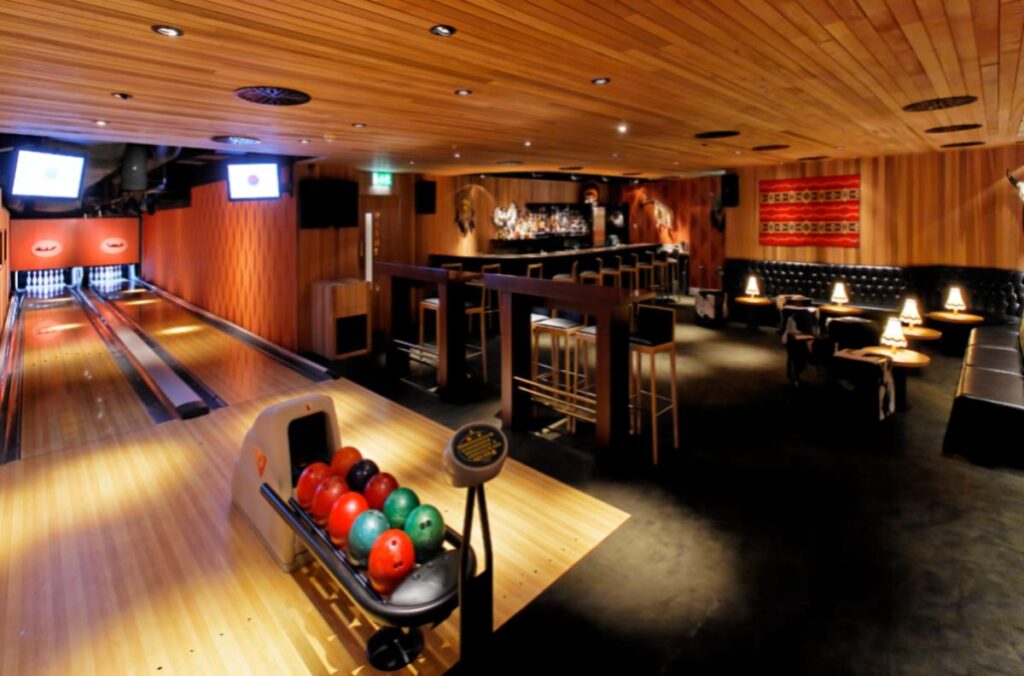
As people spend more on life enhancements than housing, luxury home design is changing in 2026. Today’s “stay-at-home” lifestyle has modified homeowners’ entertainment ideas. Flexible work habits and an increasing need for versatile living areas contribute to this. Instead of basic media rooms or game spaces, many people want high-end, immersive attractions that are as excellent as commercial venues and all in one spot. One of the most notable examples of this trend is a home bowling alley.
These custom-built installations are multipurpose communal areas for family fun, friend gatherings, and home events. Today’s home bowling alleys combine fun with high-end home design. They come with advanced score systems, lighting that is built into the design, high-quality finishes, and themed décor that you can choose to add.
But to keep this big project on budget and meet expectations, it needs a precise, professional Residential Home Bowling Alley Cost estimate. That is exactly where Fusion Estimating helps the most.
Expert residential estimating services are essential for “niche” developments like residential bowling alleys, which require specialized structural work, custom equipment, and sophisticated systems integration. A thorough early estimate gives homeowners and builders the power to make smart choices and get things done with certainty.
High-Level Cost Benchmarks
Knowing the cost of building a home bowling alley will help you set realistic goals before arranging your budget. Costs depend on location, space, equipment, and structural construction. Recent market data demonstrates consistent patterns across residential projects.
Single-Lane Bowling Alley: $75,000–$110,000
A single regular bowling lane is still the most popular and economical addition to luxury homes. It is easy to put in and does not need any extra upkeep. This system usually has:
- One full-length lane with approach
- Automatic scoring system
- Professional lane installation
- Standard mechanical and electrical work
Estimated Range (2025):
$75,000 to $110,000, depending on equipment and site preparation. Bowling without spending too much is ideal.
Double-Lane Setup: $110,000–$180,000+
Adding a second lane makes it much easier to use, but it also greatly raises the cost. Double-lane systems are commonly used for:
- Larger entertainment spaces
- Family and guest use
- Enhanced resale appeal
Costs go up because this setup usually needs:
- More comprehensive structural support
- Larger room footprint
- Dual scoring and mechanical systems
Estimated Range (2025):
$110,000 to more than $180,000, with higher prices for special designs or high-end finishes.
Mini or Boutique Bowling Alley: $40,000–$90,000
Mini and boutique bowling setups are a creative way for people with small spaces or small funds to go bowling. These types of
- Short-lane systems (often 30–40 feet)
- Compact pinsetters or manual racks
- Simplified scoring options
Estimated Range (2025):
$40,000 – $90,000: These bowling alley-style setups work best in small places like basements or open living rooms. They are not good for serious competitions, but they are fun and make the bowling alley feel.
Used or Refurbished Equipment: Potential Savings of 20–30%
Another way to save bowling alley equipment cost is to buy used ones. You can save a lot of money on bowling equipment by buying restored lanes and pinsetters, but they need to be carefully inspected and professionally installed.
Typical Savings: 20–30% discount on the prices of new tools
- Estimated Cost with Refurbished Gear: Getting the tools for each outdoor home made bowling lane at home costs about $18,000 to $25,000, not including the cost of installation and building.
This option is excellent for homeowners who can balance upfront savings with equipment condition and warranty complexity.
Why does this cost Vary?
Several criteria determine where your project falls between these ranges:
- Site preparation and structural reinforcement
- Ceiling height and room modifications
- Local labor rates
- Choice of automation and scoring systems
- Custom interior finishes
Critical Cost Drivers: Breaking Down the “Hard Costs”
Budgeting for a home bowling alley requires understanding the main cost factors. These “hard costs” are the basic expenses that make the system work and meet the code so that people enjoy it. Below, we list each major expense so you know where your money goes. This is also why professional estimates are important.
Equipment Packages: Pins, Lanes, and Mechanics
Most of your money will usually go toward the main bowling tools. Key parts are:
- Pinsetters are tools that automatically reset pins at the end of each frame.
- Ball Returns are systems that bring balls back to the people who are playing.
- Lanes made of wood (classic style, looks high-end) or plastic (long-lasting, easy to care for).
The cost is greatly affected by the quality and brand that are chosen. Professional pinsetters and lanes cost more but require less maintenance. Synthetic lanes are cheaper and easier to maintain, but wooden lanes seem more vintage and need more attention, which fans prefer.
Site Preparation: Foundations and Structural Work
Often forgotten in early planning, site preparation can be one of the most changeable and costly parts:
- Concrete reinforcement: Old-fashioned floors might need thicker slabs or footings to hold up big machines and steady loads.
- Finish carpentry and framing: custom framing will be needed to make the approach, lane edges, and side areas.
- Ceiling height and clearance: There needs to be enough room above, especially for lanes that follow the rules.
Structural preparation costs vary by space type (e.g., basement vs. new build). Accurate takeoffs and site assessments help avoid surprises once the job starts.
Electrical Requirements: Power and Controls
A bowling alley needs more than just normal power plugs:
- Dedicated subpanels: This is to safely handle the load and keep the circuit from interfering with other circuits.
- Under-lane circuits: used for lane mechanics, score screens, and sensors.
- Lighting systems: Integrated LED lane and task lighting make the user experience better, but they also make the electrical space bigger.
If these needs are not included in the first estimates, it may be necessary to make expensive changes later on.
Installation Labor: Skilled Professionals Required
A bowling alley is not a DIY job for the weekend. People who install for a living usually:
- Assemble and level lanes precisely.
- Configure pinsetters and ball returns.
- Integrate scoring and control systems.
Most home installations take between 4 and 7 days per lane. This depends on how difficult the installation is and how the spot is set up. Labor costs change depending on the area, but accurate cost estimates are very important to make sure you do not spend too little.
Space and Structural Considerations
Make sure your property has room for a bowling alley before spending money on equipment or finishes. Bowling lanes require certain length, width, and structural characteristics to operate securely and pleasantly, unlike other luxury amenities.
Successful space design requires early planning and accurate estimation to avoid costly redesigns.
Length Requirements
A standard home bowling setup usually needs
- Lane length (pin deck to foul line): ~60 feet
- Approach area: 12–16 feet
- Service and mechanical space behind pins: 4–7 feet
Total recommended length:
About 88–100 feet
Short-lane or boutique systems can work in smaller spaces, but regulation lanes need the whole length so the balls can move correctly, people can get to the lane for safety, and the lane can be kept in good condition.
Width and Ceiling Height
Width is another important factor that is often not given enough thought in planning:
- Recommended width per lane: ~13–14 feet (lane + gutters + side clearance)
- Two-lane home installation: 23–26+ feet preferred
It is also important to have enough ceiling height:
- Minimum comfortable ceiling height: 9–10 feet
- Ideal for equipment access & noise control: 10–12 feet
Lower ceilings can make mechanical service and lighting/scoring system placement difficult.
Control of Vibration and Sound
Bowling makes:
- impact noise from pins
- mechanical noise from pinsetters
- vibration from ball travel
To keep the rest of the house comfortable, a lot of projects include
- acoustic wall panels
- insulated partitions
- carpet sound baffles
- vibration-dampening pads beneath machinery
These modifications cost more but improve the experience, especially in bowling alleys near bedrooms or shared living areas.
Why Does This Matters for Estimating?
The amount of space needed has a direct impact on:
- structural reinforcement needs
- HVAC sizing
- electrical layout
- equipment selection
Before construction, homeowners should examine space conditions and equipment costs to set reasonable budgets.
Luxury Customizations and “The Splurge”
After developing the foundations and core construction, many people add high-end custom features to their home bowling alleys to improve the space. These renovations make a bowling alley more comfortable, attractive, and exciting, often moving it from “functional” to “wow-worthy.”
Here’s how premium customizations can make your place more valuable and unique.
Custom Visual Effects & Ambience
Pictures are a great way to turn a bowling alley from a useful room into a fun place to be.
- LED Glow Lighting: lane lighting that can be programmed to fit themes, feelings, or events.
- Wall and Ceiling Lighting: Accent lighting that makes your style and depth of field better.
- Media Screens and Projection: Big screens for game replays, scores, or video backgrounds.
These choices make the area feel modern and engaging, and they can be used with larger smart-home lighting systems for easy control.
Advanced Technology Enhancements
Improvements in technology are not just for show; they make things faster, easier, and more interactive.
- Automated Lane Conditioning Machines: These tools keep the surfaces of the lanes in the best condition and make them even. The prices for good units are usually over $16,000. Regular conditioning helps keep the lane in good condition and the gaming quality high.
- Touch-Screen Scoring Consoles: easy to use scoring touch screens that support player identities, themes, and interactive displays.
- Audio and Smart Controls: combining music systems with centralized control tools for one-touch scene management.
Technologies enhance play and functionality, but they must be integrated early in the project plan to avoid rewiring or redesign expenditures.
Boutique Finishes & Themed Design
A lot of homes pick fancy interior finishes to make the bowling alley look even better:
- Custom-Themed Lanes: Custom lane artwork or branding features for a unique look.
- Designer Seating Areas: Lounge furniture, built-in booths, or comfy spots for onlookers to sit.
- Integrated Bar or Refreshment Stations: A nice-looking bar with a tabletop and storage space.
These custom embellishments make the bowling alley a social hub that mixes with home theaters and game rooms.
The Importance of Professional Estimation
A professional cost estimate is essential when planning a complex project like a home bowling alley.
Without thorough forecasting and trade-by-trade analysis, projects are much more likely to go over budget, be late, or have unexpected financial gaps. Expert estimates are more valuable than ever in 2026’s building industry due to growing material prices and fluctuating labor availability.
Avoiding “Budget Creep” with Detailed Takeoffs
Budget creep is one of the most common mistakes in construction projects. This happens when costs go up slowly and you do not notice until it is too late. Fusion Estimating and other professional estimators split a project up into different trades and line items so that
- every material, fixture, and finish is accounted for
- labor hours are realistically anticipated
- electrical, HVAC, and site work scopes are fully understood
This detailed planning gives customers peace of mind that each nail and wire is priced properly instead of being based on vague thoughts or guesses. There will be no surprises. An exact estimate is more than just a number; it is a roadmap.
Competitive Bidding: Protecting Your Bottom Line
Accurate cost estimates do not just help you plan how much you can spend; they also help you get better bids from contractors. With a thorough estimate that is specific to the trade:
- homeowners and builders can compare multiple bids on equal terms
- contractors can price more competitively without sacrificing quality
- negotiations are grounded in transparent, defensible data
This clarity prevents overpaying for specialized labor and ensures bids reflect scope rather than guesswork.
Navigating 2026 Market Realities
As we move toward 2026, the construction world is still changing quickly. Material price increases, supply chain volatility, and regional labor rates might affect project costs. Expert estimators use market data and regional pricing patterns to create realistic financial scenarios, not static numbers that expire immediately.
Maintenance & Long-Term Ownership Costs
A home bowling alley requires annual maintenance and repairs to preserve your investment and keep it functioning well.
Annual Upkeep
Even new, easy-to-care-for tools like string pinsetters need to be taken care of regularly:
- Lane Oiling and Cleaning: To protect the surface and make sure the play is always the same, lanes need to be conditioned regularly, usually every few weeks based on how much they are used. A lane oiling machine robot costs $3,000 to $10,000, or you can pay a professional to do it for about $500 per visit.
- Mechanical Servicing: String pinsetters are cheaper and easier to repair than mechanical ones, which need more frequent repairs.
- Replace Pins and Parts: Pins, belts, and other working parts wear out over time. Planning ahead will prevent these fees from surprising you.
Warranty & Equipment Care
Choosing warranties backed by the manufacturer saves your investment. Pinsetters and scoring systems sometimes have warranties that cover parts and labor, lowering out-of-pocket expenditures. Without guarantee coverage, DIY equipment or secondhand machines might need more money for repairs and parts, which sweeps away at the savings.
Strategic Planning for Your Home Oasis with Fusion Estimating
Building a home bowling alley is fun, but many homeowners stumble across the problems; unclear overall prices, contractors with wide pricing ranges, surprise building costs, and uncertainty about equipment, structural work, and installation. These issues often cause stress and spending that exceeds the budget. Fusion Estimating helps make sure that does not happen.
We provide precise, trade-by-trade cost estimates that demonstrate how much your project will cost, where the primary expenses are, and how design decisions affect the budget. We also look at the prices of materials and the cost of labor in different areas so that estimates stay reasonable.
This lets you easily compare contractor bids, keep your budget on track, plan your financing with confidence, and keep your finances in order as you move ahead. Our cost estimating company’s goal is to transform your ideal home bowling alley into a smart, economical, and stress-free investment.