
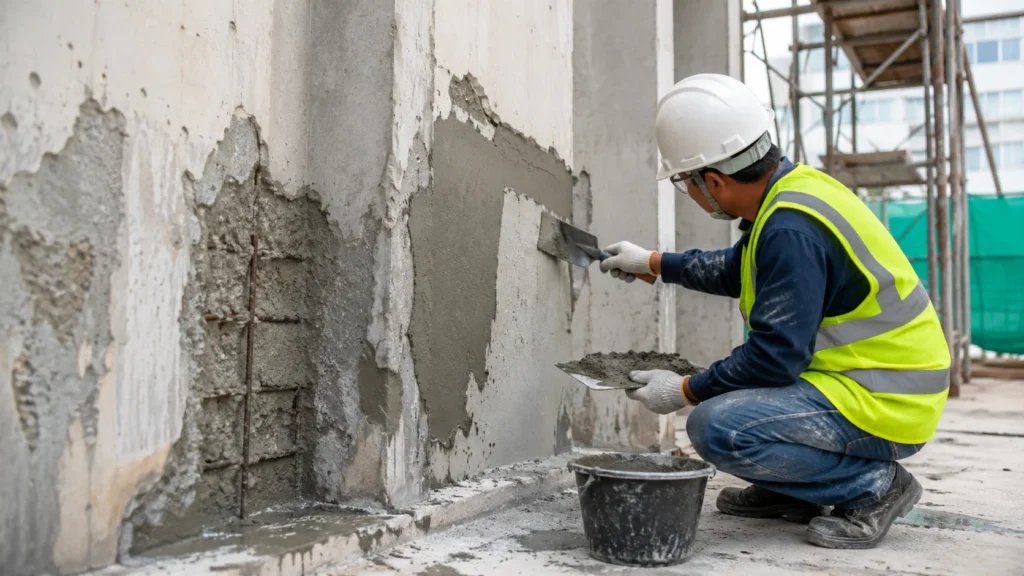
Construction projects just don’t go as planned. Although good materials and skilled labour are employed, defects may still occur. Cracks can develop, water can enter a building or some parts of a building will fail before they should. These issues must be resolved in the right manner; otherwise, they will grow into bigger and more costly issues.
This is where remedial work is important. It is used to repair damage, defects or poorly performing components of a building to restore them to their proper working condition. As long as you can fix it while it’s still a minor problem, it’ll save you lots of time and money. Knowing what remedial task is is beneficial for contractors, developers, and property owners to make good decisions on their projects.
What Is Remedial Work in Construction?
Remedial work is the term used to describe the act of fixing defects, damage or construction problems in a building. The objective is not to mask the issue; it is to find out what caused the issue and correct it appropriately. There are numerous possible causes of construction defects. Sometimes materials fail. In some cases the workmanship is not up to the standard. In other instances, damage occurs over time because of the environmental conditions.
It is intended to bring the building back into compliance with building codes to ensure its safety, functioning and good appearance and to prevent further issues. These are typical situations that can be corrected, such as concrete crack repair, water leak repair, structural damage repair and installation correction.
How Much Does Remedial Work Cost?
Remedial construction costs will depend on the extent of defects, property size and the complexity of the repairs needed. Smaller remedial work projects can begin at around £5,000 and larger structural / compliance work projects can cost over £10,000. If the building has serious structural issues, waterproofing problems or issues with the building’s structure, the costs can rise further.
Every building has its own set of issues and it is always best to get a detailed evaluation from a qualified remedial contractor before planning the expense.
Why Is Remedial Work Important for Construction Projects?
Mini-issues are of a fleeting nature. Even though there is a small crack that is just now there, it can be a big problem in the future. Mould can grow and materials can deteriorate and cause significant damage when there are loose connections. By fixing problems and problem areas early on, professionals can help to save the project and the building.
Ensures Occupant Safety
One of the main reasons for carrying out remedial construction work is to protect the people who use the building. If not addressed, structural weaknesses, water damage, faulty systems and/or poor fire protection can pose significant hazards. Early intervention in these areas can help to keep occupants safe and secure in their environment.
Includes two “life of the building” features.Two “life of the building” features included.
A building is a valuable long-term asset. Ongoing checks and corrective maintenance work will help to avoid additional deterioration and extend the useful life of the structure for many years to come.
Protects Property Value
Faulty issues and issues that can be seen can diminish the property’s attraction to potential tenants and purchasers. Investing in quality remedial work will lead to betterment of the overall building condition, which will help keep or potentially raise the market value of the building.
Ensures compliance with regulations
Building codes and safety codes change. Remedial construction is used to maintain current standards that help ensure that a property maintains its integrity, fire safety, accessibility and energy efficiency.
Minimizes potential repair expenses
Although remedial work initially costs a lot, you may end up having to spend even more if you put it off until it becomes an issue. There are significant cost savings and legal risks that can be avoided by intervening early before significant structural problems occur.
Who Needs Remedial Construction Services?
Remedial construction services are valuable for many property owners and stakeholders tasked with ensuring buildings are safe, functional and have value.
Commercial Property Owners
To ensure the safety, compliance and suitability of their business, commercial or investment property, business owners and property investors may need remedial works. Timely demedial repair work help to keep the professional level in terms of potential disruptions.
Strata Corporations and Building Managers
In multi-unit residential and mixed-use properties, the Strata bodies and building managers are responsible for keeping shared facilities and common areas in good order. Remedial construction could solve the problem of structural problems, water damage, façade defects, and other building issues before they deteriorate.
Government Agencies and Local Councils
Maintenance is a continuous process that ensures public buildings, community facilities and infrastructure assets are safe and effective. These structures are often the subject of repair, upgrade and maintenance by government organisations and councils through the use of remedial contractors.
Builders and Property Developers
Remedial work can be necessary for builders and developers to fix construction defects that are discovered after the construction is finished, or during the warranty period. These repairs maintain the quality of the building and also assist in fulfilling the contract.
What Is Included in the Remedial Construction Process?
Professional remedial construction is well planned to identify building problems, provide effective solutions and guarantee long-term performance.
Site Inspection and Assessment
It starts with a comprehensive building analysis performed by experienced engineers or building advisors. They evaluate both actual and potential failure and establish the cause and extent of the failure.
Detailed Reporting and Recommendations
After the assessment, a detailed report is prepared which provides a report of any defects identified, proposed repair techniques, proposed costs, and a proposed project timeline. This will give homeowners a clear idea of the work that needs to be done in advance of any repairs.
Project Planning and Preparation
When recommendations are accepted, a detailed project plan is prepared. This phase involves the selection of the most suitable repair techniques, sourcing repair materials, arranging access to the site, planning contractor involvement, and implementing required safety precautions.
Implementation of Remedial Works.
The approved repairs are undertaken by experienced construction professionals, using industry-approved methods, specialist equipment and quality materials. All work carried out is supervised with great care to ensure durability and project requirements.
Testing, Verification and Handover.
Once the repair work is finished, the work is inspected and tested to ensure it is functioning properly. This can include structural inspections, fire safety inspections, waterproofing inspections and more. When the project is completed successfully, it is handed over in a formal manner and any certifications and documentation are required.
Conclusion
Remedial construction is a key part of ensuring the safety, usability and value of a building. Early defect identification would save property owners from expensive repairs, help them meet the current defect standards, and improve the longevity of their properties.
At Fusion Estimating, Brisbane, we offer reliable remedial construction estimating services and professional construction estimating services that will give you accurate cost assessments and expert advice, so you can plan and manage your project with confidence.